Why Radon Testing Matters Before Buying or Selling a Home
In Pennsylvania, real estate moves quickly—especially in communities like Harleysville, Lansdale, Hatfield, Souderton, North Wales, Blue Bell, Ambler, and Collegeville. But there’s one part of due diligence that deserves extra attention because it’s easy to overlook and impossible to detect with your senses: radon.
Radon is the second leading cause of lung cancer in the United States and the leading cause of lung cancer among non-smokers. Because it is invisible, odorless, and impossible to identify without a test, radon testing is an important health-focused step for both buyers and sellers.
If you’re researching radon testing before buying a home or preparing your property for the market, this guide explains what radon is, why testing matters, how the process typically works during a transaction, and how to keep the experience smooth for everyone involved.
What Radon Is—and Why It’s a Serious Health Concern
Radon is a naturally occurring gas that can enter buildings from the soil beneath them. It’s colorless and odorless, which means you can’t rely on smell, appearance, or “how the house feels” to evaluate it. The only way to know what the radon level is inside a home is to test.
Because radon comes from the ground, conditions can vary from one home to the next—even between neighboring houses. Factors like foundation type, drainage, soil composition, and the way a home is heated or ventilated can influence indoor levels. That’s why real estate radon testing is best treated as a property-specific measurement rather than a neighborhood assumption.
In short: radon is common enough in our region that testing is a practical and important step in both buying and selling—especially when basements and lower levels are part of daily living space.
Why Radon Testing Before Buying a Home Protects Your Health and Decision-Making
Buying a home is a major investment—and part of a smart purchase is understanding what you’re buying beyond the surface condition. Radon testing before buying a home gives you measurable information about the indoor environment so you can make informed decisions during the inspection and negotiation window.
Here’s what a radon test helps a buyer do:
- Confirm the home’s current indoor radon level in the lowest livable area, where radon is typically most concentrated.
- Reduce surprises after closing by addressing radon-related questions during the inspection contingency period.
- Compare properties more confidently when evaluating similar homes in Harleysville, Lansdale, Hatfield, and nearby areas.
- Protect long-term health by identifying a hidden risk that cannot be detected without testing.
Even if a home looks immaculate and has passed other inspections, radon isn’t something you can “see.” A test is the straightforward way to replace uncertainty with data.
If you’re scheduling inspections, you can learn more about A1 House Prep’s approach on our Radon Testing service page.
Why Radon Testing for Sellers Can Prevent Delays and Support Buyer Confidence
For sellers, the inspection period is all about momentum. When an issue appears late—especially one buyers weren’t expecting—it can slow the transaction, trigger re-inspections, or lead to renegotiation. That’s why radon testing for sellers is often a proactive move: it helps you understand a key health and safety data point before a buyer’s inspector brings it up.
Seller benefits often include:
- Fewer surprises during the buyer’s inspection and appraisal timeline.
- Cleaner communication with buyers and agents, supported by an actual test result.
- Stronger planning if follow-up steps are needed based on the report.
- More control over scheduling instead of scrambling within a short inspection window.
In competitive areas like Blue Bell, Ambler, and Collegeville—where buyers may be comparing multiple homes—being prepared can help keep the process smooth and professional.
Local Insight: Why One Home in North Wales Can Test Differently Than One in Souderton
Radon levels can vary widely based on how a home is built and how air moves through it—not just the ZIP code. Two homes the same age, a few streets apart, can test differently due to foundation cracks, sump systems, crawlspace conditions, and how often a lower level is used and conditioned. The takeaway for buyers, sellers, and agents across Harleysville, Lansdale, Hatfield, Souderton, North Wales, Blue Bell, Ambler, and Collegeville is simple: test the specific property and rely on that measurement.
How a Home Inspection Radon Test Typically Fits Into the Real Estate Timeline
A home inspection radon test is commonly scheduled alongside (or immediately after) the general home inspection. While the general inspection is largely visual and functional, radon testing is a measurement-based evaluation that requires time to collect data.
What to expect in a typical transaction
- Scheduling: The test is booked during the inspection contingency period (or prior to listing, for sellers who prefer to test proactively).
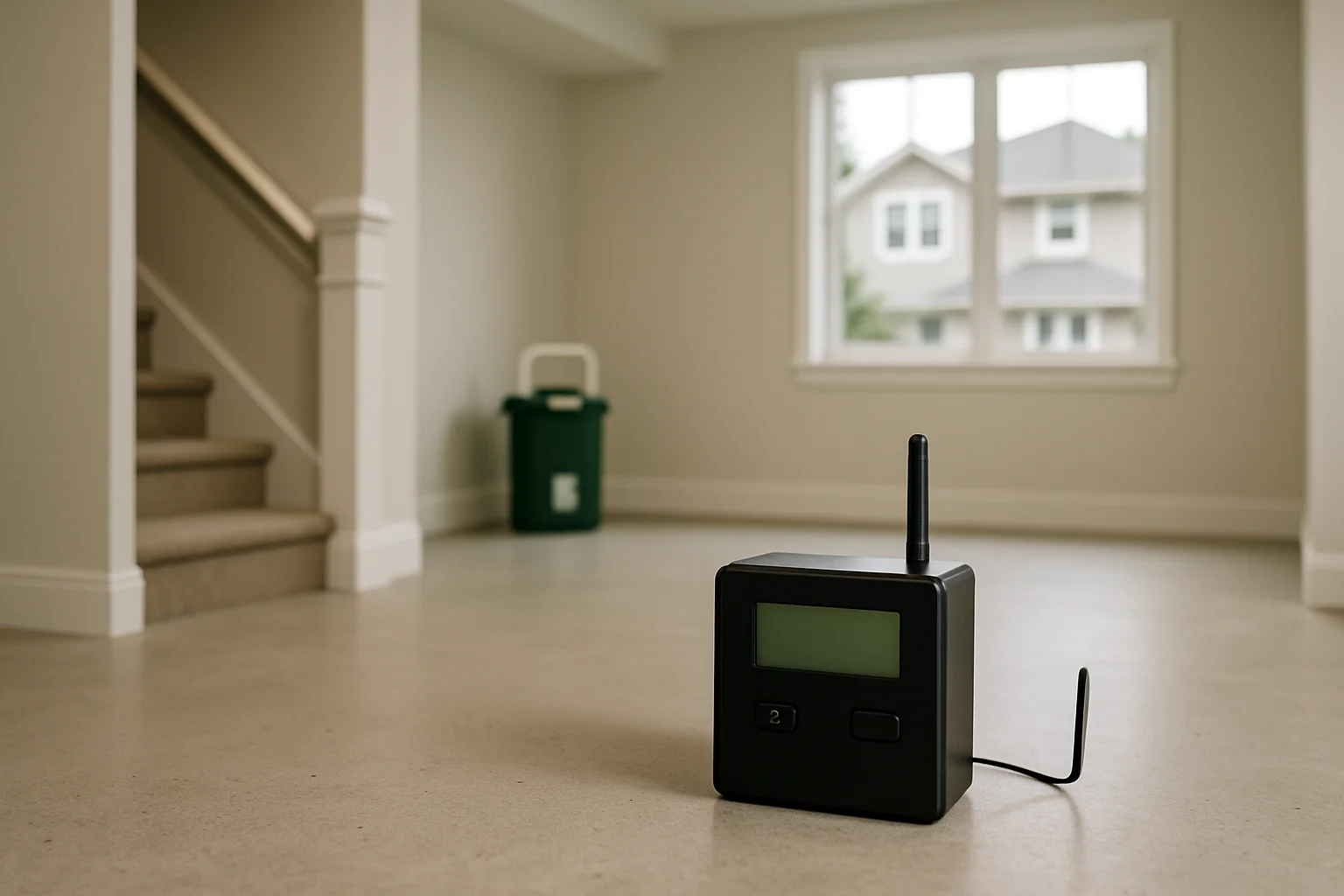
- Device placement: A radon monitor is placed in the appropriate location—commonly the lowest level that could be occupied.
- Testing period: The monitor remains in place to gather readings (often over multiple days, depending on test type and protocol).
- Results: A report is generated with the measured radon level and supporting details.
- Next steps (if needed): Buyers and sellers decide how to proceed based on the findings and the terms of the transaction.
Because timing matters in real estate, it’s worth coordinating early—especially during busy weeks when inspection schedules fill quickly.
Common Questions Buyers and Sellers Ask About Radon
Radon can sound intimidating because it’s invisible. The good news is that the testing process is straightforward. Here are practical clarifications that help keep decisions grounded:
“The seller says they’ve never had an issue. Do we still need a test?”
Yes. Testing is the only way to know the current level. Radon levels can shift over time due to seasonal conditions, HVAC changes, foundation settling, or renovations that alter airflow.
“The home has a finished basement—does that change anything?”
Finished lower levels often increase the importance of testing because they’re used more frequently. Testing is about the indoor environment where people may spend time.
“What if the home is on a slab?”
Radon can enter through multiple pathways, including cracks and penetrations for plumbing. A slab foundation doesn’t eliminate the need to test; it simply changes how the home interacts with the ground.
Getting Reliable Results: What Impacts a Real Estate Radon Test
For results to be meaningful, testing conditions should reflect normal occupancy and follow standard practices. While your testing provider will guide the specifics, these factors commonly matter during real estate radon testing:
- Placement location: The monitor should be set on the correct level and away from drafts, high humidity areas, and direct ventilation sources.
- Closed-house conditions: In many real estate scenarios, windows are kept closed (except for normal entry/exit) for a defined period prior to and during the test.
- Heating/cooling operation: Normal HVAC operation is typically recommended; major changes mid-test can influence airflow patterns.
- Timing: Rushed scheduling can create tight deadlines. Planning early reduces the chance of delays.
If you’re a seller, your agent may provide a checklist ahead of time so the test can run without interruptions. If you’re a buyer, coordinating with the listing agent helps ensure the home is ready for monitor placement and pick-up.
What Happens If a Radon Test Comes Back Elevated?
First, keep perspective: a radon test result is information. It’s not a verdict on the overall quality of the home. In a transaction, the next step is typically a calm, documented conversation about options based on the inspection contingency and the parties’ agreement.
Common next steps may include:
- Reviewing the report details to confirm test duration, placement notes, and the measured level.
- Discussing follow-up testing if additional confirmation is desired based on timing, season, or property use.
- Negotiating responsibilities as part of the inspection resolution process (varies by contract and market conditions).
- Planning improvements with qualified professionals if the buyer and seller agree to address it.
A1 House Prep focuses on testing and clear reporting so you can make decisions confidently. For scheduling and next steps, visit Radon Testing or Request Service.
Bundling Testing During a Transaction: Helpful Add-Ons for Peace of Mind
Radon testing often fits into a broader “know-before-you-close” plan—especially for buyers who want a clearer picture of the home’s environment and utilities. Depending on your goals and the property, these services may complement radon testing:
- Air Quality Testing for a broader look at indoor air factors beyond radon.
- Water Testing for homes on private wells or when water quality is a concern.
- as a practical maintenance step for homeowners preparing for move-in or listing.
- Professional Ozone Machine Rentals for certain odor-related situations where appropriate and used responsibly.
Not every home needs every service, but bundling the right checks can simplify scheduling and reduce last-minute scrambling.
Radon Testing Tips for Real Estate Agents (and Transaction Coordinators)
If you’re an agent or coordinator helping clients in Harleysville, Lansdale, Hatfield, Souderton, North Wales, Blue Bell, Ambler, or Collegeville, a smoother radon test often comes down to logistics. Here are practical ways to help:
- Schedule early in the inspection window to leave room for questions or follow-up.
- Confirm property access for device placement and retrieval (lockbox code, tenant notice, alarm instructions).
- Set expectations about closed-house conditions so sellers don’t unknowingly compromise the test.
- Keep documentation organized so results can be shared quickly with all decision-makers.
A clear plan helps everyone—buyers, sellers, and agents—feel supported.
FAQ: Radon Testing Before Buying or Selling a Home
- 1) Should I do radon testing before buying a home or wait until after closing?
-
Most buyers prefer to test during the inspection contingency period so the information can be considered before final commitments. Testing after closing can still be done, but it removes the opportunity to address questions within the transaction timeline.
- 2) Is a home inspection radon test the same as a general home inspection?
-
They’re different. A general home inspection evaluates visible components and basic function. A radon test is a measurement performed with a monitoring device over a set period, producing a report based on collected readings.
- 3) How long does real estate radon testing take?
-
Many real estate tests run over multiple days to collect enough data for reporting. Exact timing depends on the test method and scheduling logistics. Planning early in the inspection window helps avoid deadline stress.
- 4) Do sellers need to test for radon before listing?
-
It’s not always required, but radon testing for sellers can be a smart, proactive step—especially if the home has a finished basement or if buyers in your market commonly request it. Knowing the result upfront can help prevent delays during negotiations.
- 5) Can radon levels change from season to season?
-
Yes, they can fluctuate due to weather patterns, how a home is ventilated or heated, and changes in air pressure. That’s another reason to test the specific property during the timeframe that matters for your transaction.
- 6) If a home tested in the past, do we need to test again?
-
Often, yes. Past results can be helpful context, but they don’t always reflect current conditions—especially if the home has been renovated, HVAC systems have changed, or the basement/crawlspace has been modified.
Schedule Radon Testing with A1 House Prep
Whether you’re buying, selling, or coordinating inspections for a client, A1 House Prep provides professional radon testing across Harleysville, Lansdale, Hatfield, Souderton, North Wales, Blue Bell, Ambler, and Collegeville—so you can move forward with clear, property-specific information.
- Primary service: Radon Testing
- Request scheduling: Request Service
- Call: 215.853.8226