Why Ozone Should Never Be Used Around People, Pets, or Plants
Ozone is one of those “invisible home facts” that sounds simple—until you look closer. Homeowners across Pennsylvania often discover ozone generators while searching for help with stubborn odors after smoke, pets, cooking, water intrusion, or a vacant property. It’s understandable: ozone is marketed as a powerful odor tool, and it can be effective in the right setting.
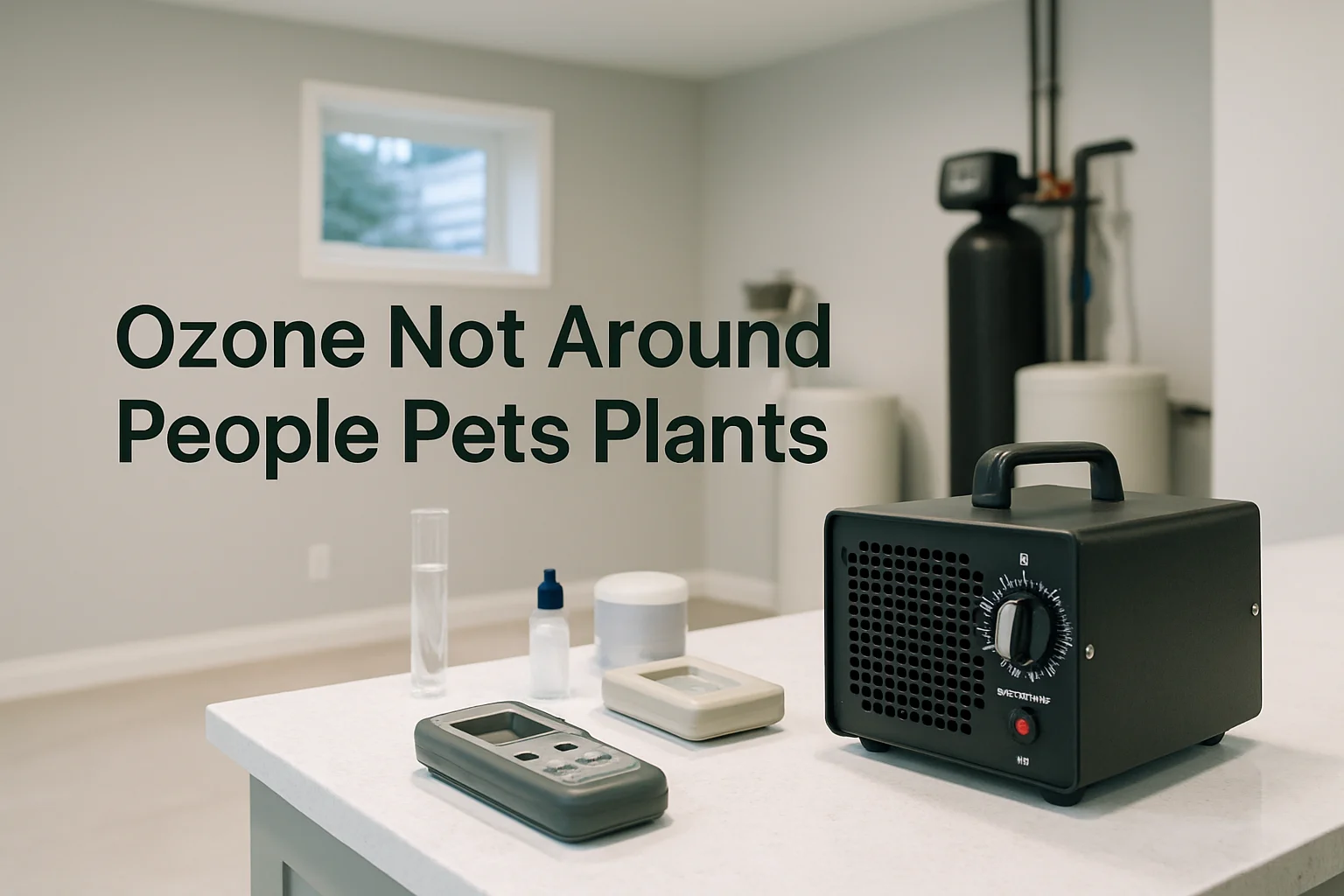
But here’s the key point that keeps your home (and everyone in it) on the safe side: ozone not around people pets plants. Ozone treatments should only be used in unoccupied spaces with careful setup, controlled run time, and a thoughtful re-entry plan. This article explains why—calmly, clearly, and without scare tactics—so you can make smart decisions whether you’re a homeowner, buyer, seller, landlord, or real estate professional in Montgomery County, Bucks County, and nearby communities like Harleysville, Lansdale, Hatfield, Souderton, North Wales, and Blue Bell.
At A1 House Prep, we focus on replacing guesswork with practical home information. When something is invisible—like ozone, radon, or certain indoor air issues—good decisions come from understanding the basics and using the right tools the right way.
What Is Ozone (and Why Do People Use It for Odors)?
Ozone (O3) is a reactive form of oxygen. In the upper atmosphere, it helps block ultraviolet radiation. At ground level, it behaves differently: it’s a strong oxidizer that can interact with odor-causing compounds. That’s why ozone generators are sometimes used for odor treatment in buildings—especially after:
- Smoke or fire-related odors
- Strong cooking odors
- Pet odors
- Mildew or musty smells after dampness
- Vacant-home “stale” odors before a sale or move-in
That effectiveness can create a false sense of simplicity: “If it removes odors, why not run it while we’re home?” The answer is the same reason you don’t run certain tools without precautions. Ozone is powerful precisely because it reacts readily—and that reactivity is the reason it doesn’t belong around people, pets, or plants.
The Core Safety Principle: Ozone Not Around People, Pets, Plants
Ozone isn’t a “fresh air” ingredient you want to breathe. It’s an oxidizing gas, and exposure can be irritating. While individual sensitivity varies, the safe-use baseline for homeowners is straightforward:
- No people in the treated space
- No pets in the treated space (including aquariums, reptiles, small mammals, birds)
- No plants in the treated space (houseplants can be affected)
In practical terms, that means ozone is a tool for empty rooms, empty floors, or empty buildings—not for occupied living areas. It also means you should plan ahead: treatment time, isolation of the area, and ventilation afterward are part of responsible use.
Premium Homeowner Takeaway
If an odor problem is making you curious, start with this question: “Is the space truly unoccupied for the entire run time and the re-entry/air-out period?” If the answer is no, ozone is not the right tool at that moment. The best results (and the best peace of mind) come from controlled, unoccupied treatments and smart follow-up steps.
Why Ozone and Living Things Don’t Mix
Homeowners usually think of odor as a simple nuisance. In reality, odor can be a clue—sometimes to moisture, ventilation issues, or absorbed contaminants in porous materials. Ozone reacts with many substances in the air and on surfaces, which is part of why it can reduce certain odors. But that same property is why it should not be used around living things.
1) People: Breathing Zones Matter
In an occupied home, air moves continuously through living spaces. An ozone generator doesn’t “stay put.” If doors are opened, if the HVAC fan circulates air, or if a room isn’t truly sealed, ozone can drift beyond the intended area. Because people spend hours at home and breathe continuously, even unintended exposure is an avoidable risk. The practical homeowner stance is simple: don’t run ozone where people are present.
2) Pets: Smaller Bodies, Different Sensitivities
Pets are often closer to floors, carpets, and upholstered furniture—exactly where odors can settle and where ozone may contact surfaces. Birds and small mammals can be especially sensitive to changes in air quality. Fish tanks can also be impacted if ozone reaches the water surface or if filtration pulls treated air. For pet households in Lansdale, Hatfield, Souderton, and beyond, the best practice is non-negotiable: remove pets from the treatment area and prevent any drift into their space.
3) Plants: Living Tissue Can Be Affected
Houseplants “breathe” too. Ozone can stress plant tissue and may cause visible damage depending on exposure and conditions. If you’re staging a home for sale in Blue Bell or North Wales and want it to look its best, don’t gamble with your greenery—move plants out of the treated area entirely.
Ozone Is Not a Substitute for Finding the Source
Ozone can reduce certain odors, but it doesn’t automatically solve why the odor exists. If the smell is coming from a persistent source—moisture behind a wall, a damp crawl space, microbial growth, sewer gas, a compromised trap, or contaminated HVAC components—an ozone run may provide temporary relief while the root cause continues.
This is where A1’s homeowner-first approach matters: testing replaces guessing. When you’re dealing with invisible factors, it helps to gather real data and make a plan based on what’s actually happening in the home.
- If you’re unsure about general indoor conditions, consider Air Quality Testing.
- If you’re concerned about well water, plumbing, or water quality for a property transaction, review Water Testing.
- If you’re buying or selling in Montgomery or Bucks County, don’t forget invisible risks like Radon Testing as part of a well-rounded due diligence plan.
Safe-Use Guidelines for Ozone in Homes (Unoccupied Only)
If you’re using ozone as an odor tool, treat it like professional equipment—not a plug-in air freshener. These practical guidelines help reduce preventable mistakes. (Always follow the specific instructions provided with the unit you’re using.)
Before You Run Ozone
- Clear the space: Remove people, pets, and plants. This includes pet beds, litter boxes, and aquariums if they’re in or near the zone.
- Isolate the treatment area: Close doors, block gaps if needed, and avoid running HVAC in a way that could circulate air to other rooms.
- Address the basics first: Clean obvious sources (trash, spoiled food, soiled fabrics). Ozone works better as a finishing step than as a replacement for cleaning.
- Protect sensitive items: Certain materials (like natural rubber, some elastics, and delicate finishes) may degrade with repeated exposure. Consider removing items you’re not comfortable treating.
During the Treatment
- Set a controlled run time: More is not always better. Overuse can create avoidable issues and is rarely the best strategy.
- No entry while running: Plan ahead so you won’t need to go in “for just a second.”
- Use signage or reminders: In shared households or during real estate turnover, prevent accidental entry.
After the Treatment
- Allow time before re-entry: Let ozone dissipate according to guidance for the specific unit and the size of the space.
- Ventilate: Open windows and use fans as appropriate to exchange indoor air with outdoor air.
- Confirm the space feels normal again: If there’s still a sharp “electrical” smell, continue airing out.
For homeowners and agents preparing a property for listing, timing matters. Ozone is often best scheduled when a home is vacant—between tenant turnover, after moving out, or before staging—so there’s no temptation to “live around it.”
Common Ozone Mistakes (and Better Alternatives)
Many ozone problems come from using the right tool in the wrong context. Here are frequent missteps we see—and what to do instead.
- Mistake: Running ozone in an occupied home to “keep it smelling fresh.”
Better: Use normal ventilation, filtration, and cleaning for day-to-day odor control. Reserve ozone for unoccupied, planned treatments. - Mistake: Treating odor without investigating moisture.
Better: Identify whether dampness, leaks, or humidity are feeding the smell. If the odor keeps returning, consider Air Quality Testing to learn more about conditions inside the home. - Mistake: Assuming ozone “removes everything.”
Better: Pair odor treatment with source control (cleaning, removal of contaminated porous materials when appropriate, and improved ventilation). - Mistake: Leaving plants and pet items in the treated space.
Better: Move them out and keep the treatment zone truly isolated. - Mistake: Overusing ozone to chase a stubborn smell.
Better: Step back and ask: “What is this odor telling us?” Sometimes you need information, not intensity.
When Ozone Can Make Sense in Pennsylvania Homes
Used responsibly, ozone can be a practical tool for certain situations—especially in real estate transitions across Montgomery County and Bucks County, where timelines can be tight and odor issues can affect showings and buyer impressions.
Ozone treatments may be considered when:
- The space can be fully unoccupied for the duration of treatment and ventilation
- Basic cleaning and source removal have been completed
- You’re addressing residual odor in a vacant property (move-out, estate home, or pre-listing refresh)
- The goal is odor reduction—not a substitute for fixing moisture, plumbing, or HVAC issues
If you’re curious whether ozone is appropriate for your situation, A1 House Prep can help you think through timing, isolation, and realistic expectations.
Learn more about our offering here: Professional Ozone Machine Rentals.
Curiosity Marketing, the A1 Way: Invisible Home Facts You Can Actually Manage
Homeownership comes with mysteries: a smell that appears after rain, a “stale” bedroom, a musty basement corner, or a property that looks perfect but feels “off.” These are the moments when curiosity is useful. Instead of guessing—or throwing random products at the problem—take a step-by-step approach:
- Observe: When does the odor happen? Weather? HVAC cycles? After showers? After cooking?
- Isolate: Can you narrow it to a room, a drain, a closet, or an HVAC return?
- Clean and correct obvious sources: Trash, soft goods, damp materials, filters.
- Test when appropriate: Use targeted testing to replace assumptions with data (air, water, radon).
- Use ozone only when it fits: Unoccupied spaces, controlled use, proper ventilation afterward.
This mindset is especially helpful for buyers and sellers: the home tells the truth through small signals. Your job is to interpret them without jumping to worst-case conclusions.
Need an Odor Plan That Fits Real Life?
If you’re in Harleysville, Lansdale, Hatfield, Souderton, North Wales, Blue Bell, or elsewhere in Montgomery County or Bucks County, A1 House Prep can help you choose a practical path—whether that’s an unoccupied ozone treatment for a vacant area or testing that gives you clearer answers.
Call A1 House Prep: 215.853.8226
Request service online: /request-service/
Ozone rentals: /services/ozone-machine-rentals/
FAQ: Ozone Use in Homes
1) Why is the rule “ozone not around people pets plants” so strict?
Because ozone is reactive and can drift beyond the intended area. The simplest, most responsible approach is to treat ozone like a specialized tool for unoccupied spaces only—no exceptions for “just a little” or “only for an hour.”
2) Can I run an ozone machine in one room while I stay in another?
It depends on whether the treatment area can be reliably isolated and whether air movement (including HVAC circulation) could carry ozone to occupied rooms. In most homes, it’s difficult to guarantee separation. The safer practical plan is to schedule treatments when the home (or treated zone) can be truly unoccupied and then ventilated afterward.
3) How long should I wait before going back into a space treated with ozone?
Follow the guidance for the specific unit and the size of your space. A good homeowner approach is to allow time for dissipation and then ventilate thoroughly. If the space still has a sharp, “electrical” odor, extend the air-out time before re-entry.
4) Will ozone remove pet urine odor or smoke smell permanently?
Ozone may help reduce certain odors, but permanence depends on the source. If odors are embedded in porous materials (padding, subfloor, drywall, insulation, upholstery), source removal and cleaning are often necessary. Ozone is best viewed as a finishing tool, not a guarantee.
5) Is ozone the same as an air purifier?
No. Many air purifiers focus on filtration (like capturing particles). Ozone generators intentionally produce ozone, which is a reactive gas used for specific unoccupied odor treatments. They’re different tools for different goals.
6) I’m selling a home in Montgomery County or Bucks County—when is the best time to use ozone?
Most often, it’s best between occupancy milestones: after move-out, before staging, or during a vacancy window when the property can be closed up for treatment and then aired out well before showings.
7) What if I’m not sure whether an odor is “just odor” or something else?
If the smell keeps returning, appears after rain, or seems tied to HVAC use or specific rooms, it’s worth gathering information instead of guessing. Consider Air Quality Testing for insight into indoor conditions, and for transaction due diligence don’t overlook Radon Testing and Water Testing when applicable.
Local, Practical Closing Thoughts
Ozone has a place in property preparation—but it’s a place defined by control, planning, and an empty space. If you remember one line from this guide, make it this: ozone not around people pets plants. Treat ozone like professional equipment, not an everyday air freshener, and you’ll stay aligned with responsible use.
If you’re preparing a home in Pennsylvania and want a calm, practical plan—whether you’re tackling odors, gathering testing data, or getting a property ready for sale—A1 House Prep is here to help.
Call 215.853.8226 or request service at /request-service/. For odor projects in unoccupied spaces, explore Professional Ozone Machine Rentals.