What to Know Before Renting a Professional Ozone Machine
When odors won’t budge with standard cleaning—think smoke, pet smells, musty basements, or lingering “old house” air—many homeowners and real estate professionals look into renting an ozone machine for a deep deodorizing reset. Ozone can be a powerful tool in the right setting, but it isn’t a plug-and-play air freshener. Understanding what it does, what it doesn’t do, and how to prepare your property can make the difference between a successful treatment and a frustrating (or risky) experience.
This guide is designed for homeowners, buyers, sellers, landlords, and agents in Harleysville, Lansdale, Hatfield, Souderton, North Wales, Blue Bell, Ambler, and Collegeville who want a practical, premium overview of how a professional ozone rental works. If you’re considering an ozone machine rental, A1 House Prep can help you choose an approach that fits your situation and timeline.
What an Ozone Machine Is (and Why People Rent One)
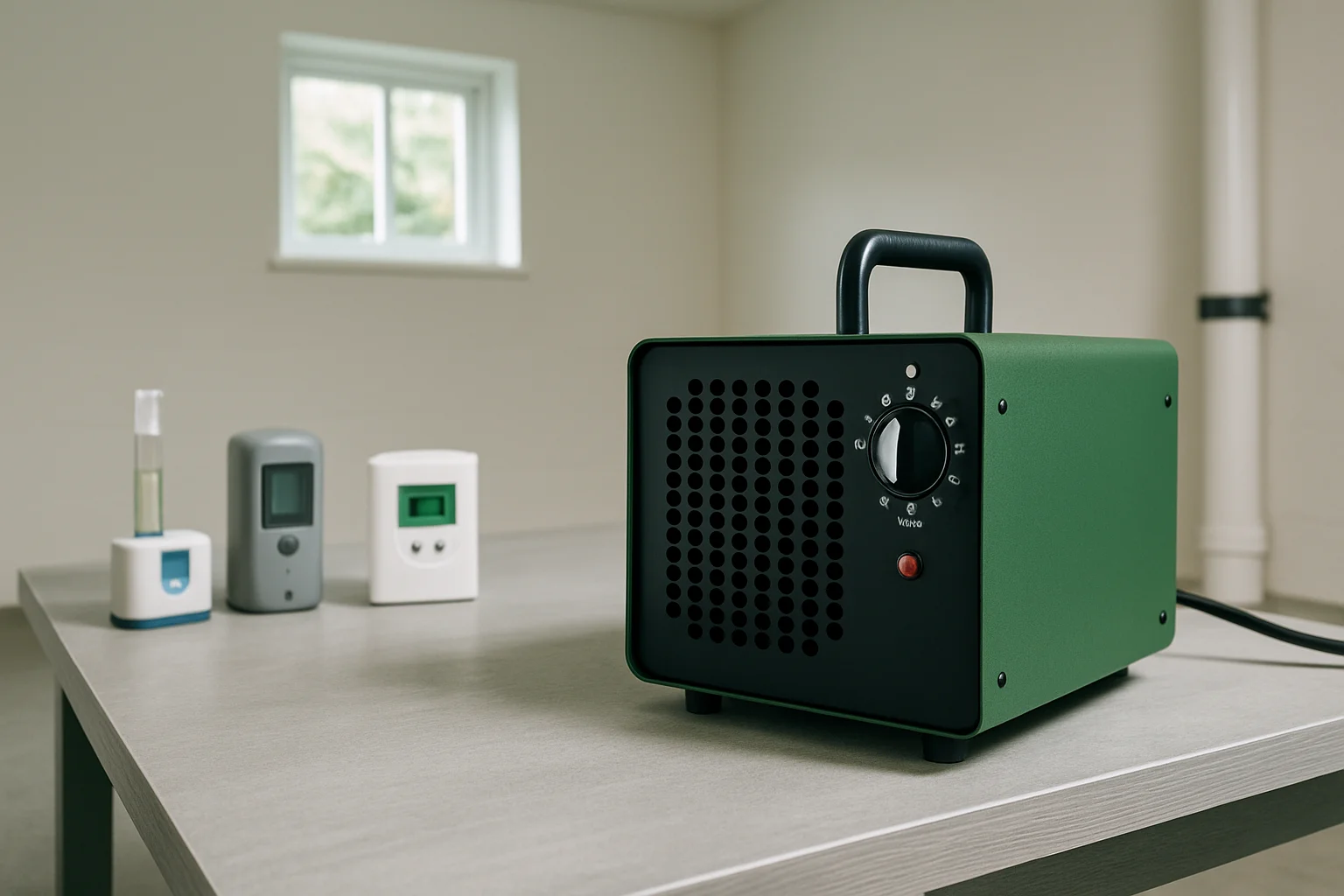
An ozone machine (sometimes searched as an odor machine rental) generates ozone (O3) from oxygen in the air. Ozone is reactive, which is why it’s used in certain deodorizing applications: it can interact with odor-causing compounds and help reduce persistent smells that don’t respond well to surface cleaning alone.
Common scenarios where people consider renting an ozone machine include:
- Pre-listing home prep to reduce noticeable odors during showings
- Post-tenant turnover in rentals (cooking odors, smoke, pets)
- Basement mustiness after addressing moisture sources
- Vehicle or small room odors (depending on equipment type and guidance)
- After remediation/cleanup once the original problem has been corrected
Important context: ozone is typically a “last step” tool. If an odor is being actively caused by moisture, mold growth, sewage gas, a leaking appliance, or a contaminated HVAC component, ozone may temporarily reduce the smell without resolving the underlying issue. That’s why good prep and diagnosis matter.
What Ozone Can’t Do (and When to Choose a Different Approach)
Before renting an ozone machine, it helps to set realistic expectations. Ozone treatment is not a replacement for cleaning, repairs, or professional evaluation. Consider other steps first when:
- There’s ongoing moisture (wet carpet pad, damp basement walls, high humidity). Fix the source and dry materials thoroughly.
- Odors are embedded in porous materials such as heavy smoke in drywall, insulation, or carpet pad. Those materials may need cleaning, sealing, or removal.
- The HVAC system is involved (musty supply air, dirty coils, contaminated ductwork). Address the mechanical source first.
- You suspect an indoor air quality concern beyond odor (persistent irritation, visible growth, unusual dust, combustion smells). Consider testing and assessment.
If you’re unsure whether the problem is “odor-only” or something more, A1 House Prep can support the decision with Air Quality Testing and practical property-prep guidance. For private well or drinking water concerns, explore Water Testing. (And for Pennsylvania homeowners, radon is a separate topic—learn more via Radon Testing.)
Premium Tip: Odor Removal Works Best in Layers
For most homes in Montgomery County and surrounding areas, the best results come from a layered plan: remove the source (cleaning/repairs), reduce reservoirs (textiles, filters, porous materials), then use ozone as a final deodorizing step when the space can be safely vacated. This approach is especially helpful for pre-listing prep in Harleysville, Lansdale, Blue Bell, and Ambler where showings move fast and first impressions matter.
The Ozone Machine Rental Process: What to Expect
Every provider has their own procedures, but a professional ozone machine rental process typically includes a few core steps. Here’s what to expect when you’re planning a rental and preparing your timeline:
1) Confirm the goal and the space
Start by defining the odor problem and the treatment area:
- Which rooms are affected?
- Is the odor stronger in closets, basements, or near HVAC returns?
- Is the goal pre-listing improvement, post-tenant turnover, or owner comfort?
- How soon do you need the home ready—today, this weekend, before photos?
2) Choose a treatment plan (time, placement, and ventilation)
Ozone treatment is usually planned around:
- Run time (often hours, depending on the situation and equipment)
- Machine location (central placement vs. targeted rooms)
- Air movement (using fans strategically when appropriate)
- Post-treatment airing-out time before re-entry and re-occupancy
Homes vary widely—from older colonials in North Wales to townhomes in Hatfield or newer builds around Collegeville—so planning should reflect the layout, furnishings, and severity of the odor.
3) Prepare the property
Preparation is where most rentals succeed or fail. Plan to:
- Clean first: remove trash, vacuum thoroughly, wash hard surfaces, and launder removable fabrics.
- Replace HVAC filters (and consider cleaning returns if dusty).
- Remove or protect sensitive items (see the safety section below).
- Plan access: ensure the property can remain vacant during treatment and airing-out.
4) Run the treatment and ventilate
Ozone is not something you “run while you’re home.” The property should be unoccupied during operation. After treatment, ventilation and time are key. Open windows/doors when appropriate, circulate fresh air, and give the space adequate time to return to normal livability.
5) Evaluate results and decide next steps
If odors return quickly, that’s a clue the source is still active (for example: moisture, contaminated materials, or an HVAC issue). In those cases, focus on diagnosing the underlying cause rather than repeating treatments.
Ozone Rental Safety: Practical Precautions for Homes, Pets, and Materials
Ozone rental safety comes down to two ideas: (1) use the equipment in a controlled, unoccupied environment, and (2) protect items that may be sensitive. Ozone is reactive by nature, which is why it can reduce certain odors—but that reactivity also means you should take precautions.
Vacate the space completely
- No people should be in the treatment area while the machine is running.
- Remove pets, including cats, dogs, birds, reptiles, fish tanks, and small animals.
- Plan for contractors, cleaners, photographers, or agents to arrive after airing out is complete.
Remove or protect sensitive belongings
When feasible, remove items that may be affected by oxidation or that you don’t want exposed to ozone. Consider:
- Houseplants and fresh flowers
- Rubber items (certain elastics, foam, some gaskets) and delicate textiles
- Artwork, photographs, collectibles, and valuable papers
- Food, open containers, and anything stored unsealed on counters
Think about the HVAC system
Depending on the plan, you may want to keep interior doors open for flow—or close them to isolate. Avoid guessing. An uncontrolled approach can spread odors to other areas or expose materials unnecessarily. If the odor seems HVAC-related, address the system first rather than relying on ozone as the primary fix.
Ventilation matters
After treatment, allow time to ventilate and “clear” the space before re-occupancy. Every home is different—an older, tighter home in Souderton may air out differently than a home with more cross-breeze potential in Blue Bell. Build time into your schedule so you aren’t rushing re-entry.
Note: This article offers general information and is not a substitute for the specific instructions provided with the equipment or any on-site guidance for your property.
How to Get Better Results From an Odor Machine Rental
If you’re investing time and money into renting an ozone machine, a few best practices can help you get a more predictable outcome.
Start with a “source removal” checklist
- Identify and correct moisture (dehumidifier use, basement seepage, plumbing leaks).
- Shampoo or replace odor-holding textiles (rugs, carpet padding, curtains).
- Clean kitchen grease and cabinet interiors if cooking odors are heavy.
- Deep-clean pet areas (including subfloor if there’s known saturation).
- Dispose of odor sources (old paint, stored chemicals, musty boxes).
Stage the home like you’re preparing for showings
For sellers and agents in Lansdale, Ambler, and Collegeville, odor control is part of buyer confidence. Before treatment, declutter and open up airflow pathways. After treatment and ventilation, keep the home neutral: clean filters, minimal fragrances, and consistent humidity control.
Don’t skip humidity control
Musty odors often correlate with humidity. Even after a successful deodorizing pass, humidity can re-activate “stored” smells in porous materials. A dehumidifier and steady HVAC operation can help maintain the gains.
Consider testing when the situation is unclear
When an odor is accompanied by persistent stuffiness, visible staining, or occupant concerns, a broader look may be warranted. A1 House Prep can provide Air Quality Testing for a data-driven snapshot. If you’re working through a whole-home prep plan, you may also consider Water Testing (especially for well water properties) and Radon Testing to support informed decisions during a sale or purchase.
Who Benefits Most: Homeowners, Buyers, Sellers, and Real Estate Pros
Homeowners
If you’ve tried cleaning and still notice a persistent odor—especially after pets, smoke exposure, or a one-time event—an ozone rental may be a reasonable next step once the source is addressed.
Home sellers
Buyers often interpret odor as a sign of hidden problems. A properly planned deodorizing step can support a cleaner first impression for photos and showings in competitive markets across North Wales, Blue Bell, and Hatfield.
Home buyers
If you’re buying a home with noticeable odor, it’s worth separating “fixable deodorizing” from “underlying issue.” Ask questions about moisture history, pets, smoking, and basement conditions. Testing and inspection can help you budget realistically.
Agents, landlords, and property managers
Tight turnarounds are common. An organized ozone machine rental process—paired with cleaning and clear vacancy/ventilation planning—can help reduce downtime between tenants or before listing.
Local Considerations in Montgomery County Area Homes
Homes in Harleysville, Souderton, Lansdale, and nearby communities often share a few odor-related patterns:
- Basement humidity and seasonal mustiness after heavy rain or humid weeks
- Older building materials that hold odors longer (especially in carpet, plaster, and wood trim)
- Mixed-use spaces (finished basements, home gyms, hobby rooms) where airflow can be limited
- Fast-moving real estate timelines that require careful scheduling for vacancy and ventilation
These factors don’t prevent ozone use, but they do make planning and preparation more important—particularly if you want the home ready for a specific date.
FAQs About Renting an Ozone Machine
- How long does an ozone treatment usually take?
-
Run times vary based on the size of the area, odor severity, and the specific equipment. Many setups involve a few hours of operation plus additional time for airing out. Build flexibility into your schedule—especially if you’re preparing for photos or showings.
- Is renting an ozone machine the same as using an air purifier?
-
No. Air purifiers typically filter particles and may reduce some odors over time. Ozone machines generate ozone for deodorizing applications in an unoccupied space, followed by ventilation. They’re used differently and for different goals.
- Will an odor machine rental remove smoke smell completely?
-
Smoke odors can be complex because they penetrate porous materials. Ozone may help reduce odor, but results depend heavily on cleaning, sealing, and whether smoke residues remain in carpets, insulation, HVAC components, or wall cavities. A realistic plan often combines multiple steps.
- Do I need to leave the house during the treatment?
-
Yes—plan for the treatment area to be fully unoccupied while the machine is running, including pets. Also plan for post-treatment ventilation time before re-entry.
- What should I remove from the home before treatment?
-
At minimum, remove pets, plants, food items left out, and any valuables or sensitive materials you don’t want exposed. If you’re unsure about specific belongings (rubber items, delicate textiles, artwork), err on the side of caution and remove them when feasible.
- What if the odor comes back after a few days?
-
Recurring odor often indicates the source is still present—commonly moisture, embedded contamination in porous materials, or an HVAC-related issue. In those cases, focus on diagnosing and correcting the cause rather than repeating ozone treatments back-to-back.
Need Help Planning an Ozone Rental in Montgomery County?
If you’re considering renting an ozone machine for a home in Harleysville, Lansdale, Hatfield, Souderton, North Wales, Blue Bell, Ambler, or Collegeville, A1 House Prep can help you choose a practical plan and timeline—especially when you’re prepping for a sale, turnover, or move-in.
Call A1 House Prep: 215.853.8226
Learn more: Professional Ozone Machine Rentals
Request service: Request Service