What Does Indoor Air Quality Testing Check For?
When a home smells “musty,” triggers lingering irritation, or simply doesn’t feel as fresh as it should, many homeowners ask the same question: what does indoor air quality testing check for? In most cases, a professional home air quality inspection looks for a range of indoor contaminants that can affect comfort, building condition, and overall livability—often without obvious warning signs.
In Montgomery County and nearby communities like Harleysville, Lansdale, Hatfield, Souderton, North Wales, Blue Bell, Ambler, and Collegeville, indoor air concerns can be tied to seasonal humidity swings, finished basements, older housing stock, renovations, and modern energy-efficient construction that reduces natural ventilation. The goal of testing isn’t to alarm you—it’s to replace guesswork with clear information so you can choose smart next steps for your property.
This guide explains what indoor air quality testing typically evaluates, why it matters during real estate transactions, and what to expect from the air testing process. If you’re ready to book a professional assessment with A1 House Prep, visit our Air Quality Testing service page or Request Service.
Why Indoor Air Quality Testing Matters in Southeastern PA Homes
Indoor air can be influenced by everyday living (cooking, cleaning products, pets), building materials, moisture, HVAC performance, and outdoor sources that migrate inside. In our region, common contributors include:
- Basement and crawlspace moisture after heavy rain or seasonal humidity
- Tighter building envelopes that trap pollutants indoors
- Renovations (new flooring, paint, cabinetry) that introduce airborne chemicals
- Older homes with long-established dust reservoirs and hidden moisture pathways
- Attached garages where fumes can drift into living spaces
Testing is especially helpful when you’re buying or selling a home, evaluating a persistent odor, addressing visible staining, or verifying whether a recent improvement (like ventilation or dehumidification) is having the intended effect. It’s also a practical baseline for homeowners who want to understand what’s in their air.
What Does Indoor Air Quality Testing Check For? Key Categories
Indoor air quality is not a single measurement. A thorough approach considers multiple pollutant categories and the conditions that influence them. Depending on the situation, A1 House Prep may recommend targeted sampling rather than a one-size-fits-all panel.
1) Particulates: Dust, Dander, and Fine Airborne Debris
Particulate matter includes microscopic solids that float in the air. Some are visible (dust), while others are too small to see. In homes, particulates may come from:
- Household dust and tracked-in soil
- Pet dander
- Textiles, carpets, and upholstered furniture
- Combustion sources (candles, fireplaces, cooking)
- Renovation debris (sanding, cutting, drywall dust)
While particulate testing varies by method and scope, the bigger picture is understanding whether the home has conditions that promote excessive particulate buildup—often tied to filtration, housekeeping routines, and HVAC operation.
2) Moisture-Related Concerns: Mold Conditions and Airborne Spores
Moisture is one of the most common drivers of indoor air complaints in our service area. When a home has recurring humidity, leaks, or water intrusion, microbial growth may occur on building materials or in hidden areas. A professional home air quality inspection may include sampling that helps evaluate whether indoor air may be influenced by moisture-related microbial activity.
Important context: air sampling is only one part of the picture. Interpreting results responsibly also considers:
- Building conditions (humidity levels, water staining, ventilation)
- Where samples are taken (basement vs. bedroom, supply vents vs. ambient air)
- Outdoor comparisons (what’s normal seasonally outside vs. inside)
If you’re noticing recurring condensation, basement dampness, or a persistent musty odor in areas like Harleysville, Souderton, or Collegeville—where basement living is common—testing can help clarify what’s happening and guide practical next steps.
3) Volatile Organic Compounds (VOCs): Odors and Off-Gassing Sources
VOCs are chemicals that can evaporate into the air from common household materials and products. They may be associated with “new house” or “freshly renovated” smells, or with strong cleaning product odors. Potential sources include:
- Paints, primers, and finishes
- New flooring, carpeting, adhesives, and cabinetry
- Stored solvents, fuels, or hobby supplies
- Air fresheners and fragranced products
VOC-related concerns often benefit from a targeted strategy: identify likely sources, verify ventilation and HVAC settings, and evaluate whether levels appear elevated for the space. In some cases, testing is used to document conditions prior to listing a home or after a renovation.
4) Combustion Byproducts and Venting Issues
Any appliance that burns fuel (natural gas, propane, oil, wood) must vent properly. Indoor air quality concerns can arise when venting is inadequate or when indoor/outdoor pressure differences cause backdrafting. While a full combustion safety evaluation may be separate from general IAQ sampling, an indoor air quality assessment may help flag conditions that warrant follow-up by the appropriate licensed professionals.
If you also want to address other property health indicators, A1 House Prep offers Water Testing and Radon Testing for homeowners and buyers looking for a clearer picture of a property’s environmental baseline.
5) Biological and Lifestyle-Related Indoor Contaminants
Some indoor contaminants are tied to how a home is used day-to-day. Examples include:
- Pet-related particulates
- Cooking aerosols and smoke
- Humidity from showers and laundry
- Dust accumulation in underused rooms, basements, or older ductwork
Testing doesn’t replace good building practices, but it can help prioritize the most effective steps—especially when you’re preparing a home for sale or trying to resolve an ongoing concern without unnecessary trial-and-error.
Local Insight: Why “Same House, Different Results” Happens
In communities like Lansdale, Hatfield, and North Wales, two homes built around the same time can perform very differently indoors. Differences in basement waterproofing history, HVAC upgrades, insulation, window replacements, and even landscaping drainage can change how moisture and air movement behave. That’s why a professional, on-site assessment—and a clear sampling plan—matters more than relying on generic assumptions.
What to Expect During the Air Testing Process
Homeowners often imagine air testing as a single device reading. In reality, the air testing process is a structured set of steps designed to collect meaningful information and reduce false assumptions.
Step 1: A quick intake and on-site walkthrough
A1 House Prep starts by understanding what prompted the test: a real estate contingency, a musty odor, a recent water event, renovations, visible staining, or comfort complaints. A brief walkthrough helps identify the best sampling areas and any obvious contributors like humidity, ventilation patterns, or storage of strong chemicals.
Step 2: Selecting sampling locations and scope
Where you sample matters. Common locations include:
- Basement or finished lower level
- Main living area (where occupants spend time)
- Bedrooms
- Areas near suspected moisture (bathrooms, laundry rooms)
- An outdoor reference sample (when appropriate)
Step 3: Collecting air samples (and/or other relevant measurements)
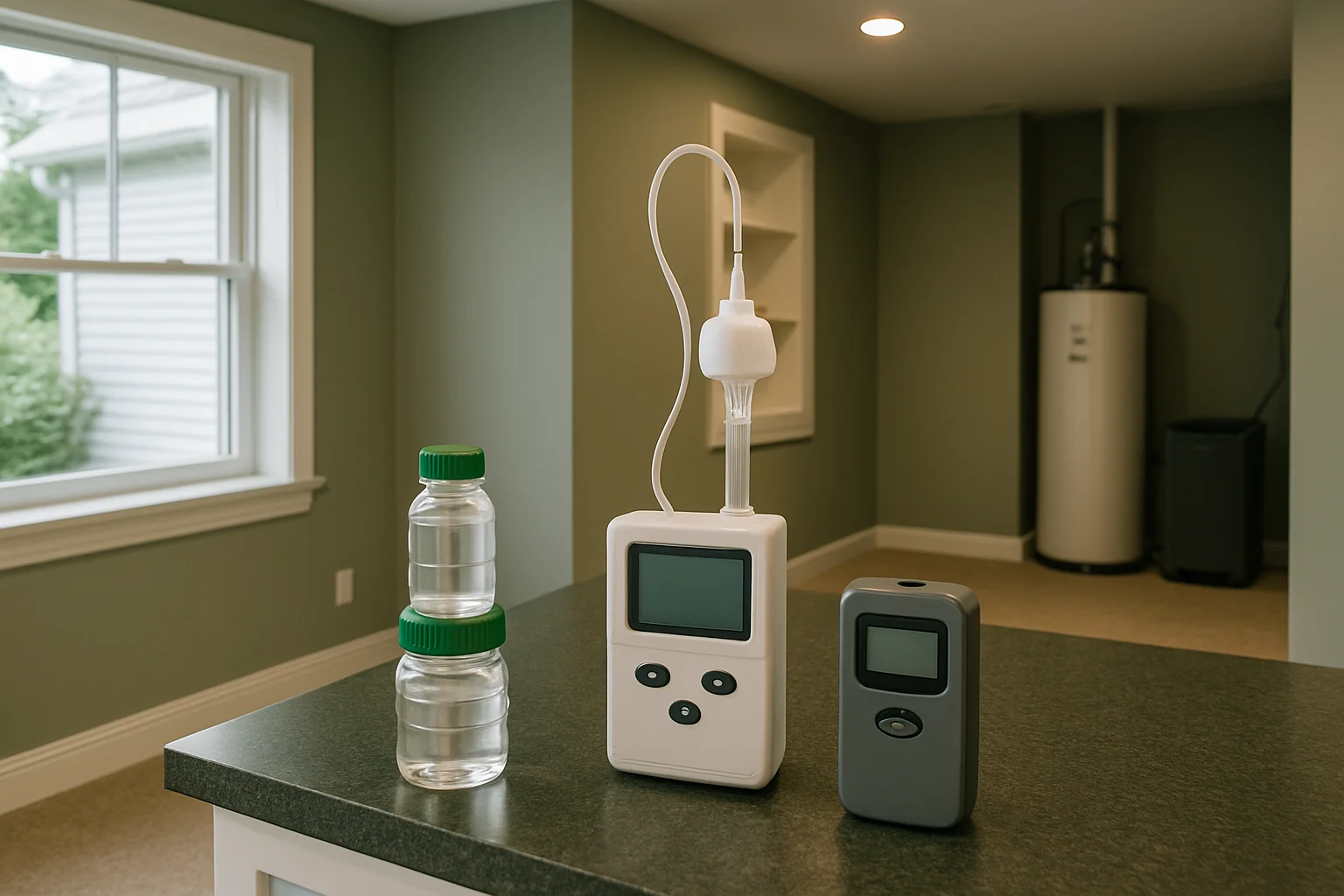
Depending on your needs, sampling may include airborne particulates, indicators related to moisture and microbial conditions, or other targeted metrics. The goal is to gather data that supports a clear decision—whether that’s improving ventilation, addressing moisture, changing filtration, or seeking a specialized follow-up evaluation.
Step 4: Interpreting results in context
Numbers alone don’t tell the story. Results should be considered alongside building conditions, seasonality, and the reason for testing. This is especially important in Southeastern Pennsylvania, where outdoor conditions can shift dramatically between humid summers and dry winters, influencing indoor readings.
Step 5: Practical recommendations (without guesswork)
A quality inspection should leave you with a prioritized plan. That may include steps like controlling humidity, improving bathroom ventilation, updating HVAC filtration, or addressing a known water entry point. If odor is the main concern, you may also consider targeted deodorization options like Professional Ozone Machine Rentals—used appropriately and according to guidance—after the source issue is addressed.
When to Schedule a Home Air Quality Inspection
Indoor air testing can be helpful in many scenarios, but it’s especially valuable when timing matters and decisions are on the line.
- Before listing a home in Blue Bell, Ambler, or Collegeville to proactively understand basement or odor concerns
- During a real estate transaction when buyers request clarity on indoor contaminants
- After water intrusion (even if it was “cleaned up”) to verify whether conditions may still be influencing the air
- After renovations when new materials and adhesives may affect indoor air
- When odors persist despite cleaning and HVAC filter changes
- Seasonal discomfort that seems linked to humidity or ventilation patterns
How Testing Helps Buyers, Sellers, and Real Estate Professionals
For buyers
Testing can provide added confidence and help you understand what you’re inheriting—especially in homes with finished basements, older additions, or a history of dampness. When combined with other due diligence like Radon Testing and Water Testing, it supports a more complete property picture.
For sellers
Air quality questions can delay negotiations. A proactive approach helps sellers address concerns with documentation and a plan, rather than reacting under deadline pressure.
For agents
Clear, professional testing helps keep transactions moving by reducing uncertainty. It also supports smoother communication when coordinating inspectors, contractors, and client expectations.
Related Property Prep Services Homeowners Often Pair with Air Testing
Indoor air concerns are frequently connected to moisture management and general home systems. Depending on your goals, A1 House Prep clients often ask about:
- Radon Testing for an additional environmental data point during homeownership or real estate transactions
- Water Testing for private wells or water quality questions
- Professional Ozone Machine Rentals for specific odor-removal projects after the underlying cause is identified
Schedule Indoor Air Quality Testing in Montgomery County
If you’re in Harleysville, Lansdale, Hatfield, Souderton, North Wales, Blue Bell, Ambler, or Collegeville and want clear answers about your indoor air, A1 House Prep can help you plan the right testing approach for your home and your goals.
Call: 215.853.8226
Learn more: Air Quality Testing
Book now: Request Service
Frequently Asked Questions
1) What does indoor air quality testing check for in a typical home?
Indoor air quality testing commonly checks for categories of indoor contaminants such as moisture-related microbial indicators (often evaluated through air sampling), airborne particulates, and chemical/off-gassing concerns like VOCs. The exact scope should match your situation—real estate due diligence, odor complaints, post-renovation concerns, or a suspected moisture issue.
2) Is a home air quality inspection the same as a mold inspection?
Not always. A home air quality inspection can be broader, evaluating multiple contaminant types and building conditions. Mold-focused evaluations may include more detailed moisture investigation and targeted sampling. If you’re unsure what you need, it’s best to describe the concern (odor, dampness, visible staining, recent leak) so the inspection can be planned appropriately.
3) How long does the air testing process take?
On-site sampling is often completed in a single visit, with time depending on the size of the home, number of sampling locations, and the scope of testing. Results timing varies based on the type of analysis being performed and the reporting method used.
4) Should I test the basement if the smell is only downstairs?
Basements and lower levels are common starting points because they’re more prone to humidity and water entry. If the concern is limited to one area, targeted basement sampling and a comparison location (like the main floor) can help clarify whether conditions are localized or more widespread.
5) Can I just use a store-bought monitor instead of professional testing?
Consumer monitors can be helpful for ongoing awareness (like general humidity tracking), but they don’t always provide the specificity, sampling strategy, or interpretation needed for real estate decisions or persistent problems. Professional testing is designed to create a defensible snapshot with a clear plan for next steps.
6) What should I do before my indoor air quality appointment?
Try to keep the home in “normal living” condition so results reflect typical use. If possible, make a short list of symptoms/odors you’ve noticed, when they occur, and any recent changes (roof leak, plumbing repair, new flooring, basement dehumidifier added). If there was a recent event like water intrusion, share the timeline and what remediation or drying was done.
7) Do you serve my area near Lansdale or Blue Bell?
Yes. A1 House Prep serves homeowners and real estate professionals across Montgomery County, including Harleysville, Lansdale, Hatfield, Souderton, North Wales, Blue Bell, Ambler, and Collegeville. To get started, visit Request Service or call 215.853.8226.