Signs Your Home May Need Indoor Air Quality Testing
Most homeowners don’t think about the air inside their home until something feels “off”—a lingering odor that won’t go away, rooms that feel stuffy, or a musty smell after heavy rain. If you live in Montgomery County, Pennsylvania, seasonal humidity, older housing stock, finished basements, and tightly sealed energy-efficient upgrades can all contribute to indoor air concerns that aren’t always obvious at first.
If you’re noticing changes in comfort, smells, or the way your home “breathes,” professional air quality testing can help you get clearer information about what may be present indoors and what practical steps to consider next. This guide outlines common warning signs, where problems often start, and when it makes sense to schedule indoor air quality testing Montgomery County PA homeowners can rely on for informed decision-making—especially in communities like Harleysville, Lansdale, Hatfield, Souderton, North Wales, Blue Bell, Ambler, and Collegeville.
Why indoor air issues can sneak up on homeowners
Indoor air can change gradually. A new carpet, a basement that starts feeling damp each summer, or a renovation that tightens the home’s envelope may shift how air circulates and how moisture behaves. Even normal household activities—cooking, showering, cleaning, storing paints or solvents—can affect indoor air over time.
Home air testing is especially useful because it moves you from guesswork to data. Instead of relying solely on smell or visible clues, a professional air quality test helps identify patterns and potential contributors so you can prioritize next steps in a practical, homeowner-friendly way.
Local note for Montgomery County homeowners
Homes in Harleysville, Lansdale, Hatfield, Souderton, North Wales, Blue Bell, Ambler, and Collegeville often have a mix of finished basements, older additions, and updated insulation or windows. These features can be great for comfort and efficiency—but they can also make ventilation and moisture management more important. If your home has a basement, crawl space, or recently updated HVAC, it’s worth paying extra attention to indoor air concerns.
Top signs you may need an air quality test
Not every odor or comfort issue means there’s a major problem. But when symptoms persist, repeat seasonally, or show up after a home change (renovation, water event, new HVAC), it’s smart to consider indoor air quality testing.
1) Persistent musty, stale, or “damp basement” odors
A musty smell can point to moisture conditions that may support microbial growth on building materials. Sometimes the source is obvious (a wet carpet or visible staining), but many times it’s hidden behind finished walls, under flooring, or in storage areas. If the odor returns after cleaning—or gets stronger after rain or high humidity—home air testing can help you evaluate what’s going on.
2) Allergy-like irritation that seems worse at home
Many homeowners notice irritation such as watery eyes, scratchy throat, or congestion that seems more noticeable indoors or in certain rooms. While these reactions can have many causes, an indoor air quality test can help determine whether indoor conditions may be contributing—especially when paired with a review of humidity, ventilation, and potential particulate sources.
3) Frequent condensation on windows or cold surfaces
Regular condensation can suggest elevated indoor humidity or uneven temperature control. Moisture that repeatedly collects on windows, in corners, or around vents can contribute to odors, material deterioration, and comfort complaints. Testing and a site-specific evaluation can help you decide whether to focus on humidity control, ventilation, or building-envelope improvements.
4) Visible staining, discoloration, or recurring surface spots
Spotting on drywall, ceiling corners, basement joists, or around vents can indicate moisture intrusion or humidity issues. Even if you clean it and it returns, the underlying cause may still be active. An air quality test can be a helpful part of confirming whether there’s an ongoing indoor air concern that needs attention.
5) A home that feels stuffy—even with the HVAC running
If your home feels stale, heavy, or “closed in,” it may point to ventilation limitations or airflow imbalances. This is common after energy upgrades like new windows, doors, insulation, or weatherization. Tight homes can be more comfortable and efficient, but they may also need better managed ventilation.
6) Recent water event: leak, seepage, or flooding
Even small water events—like a slow plumbing leak under a sink, a wet basement after a storm, or an HVAC condensate issue—can create conditions that affect indoor air. If the incident involved drywall, insulation, carpets, or stored items, it’s reasonable to consider follow-up home air testing after cleanup and drying.
7) Renovations, new flooring, or fresh paint that leave lingering odors
Many building products release odors during and after installation. If smells linger longer than expected or you’re sensitive to them, an air quality test can help you better understand indoor conditions and plan practical steps such as ventilation adjustments or staged occupancy of renovated areas.
8) Buying or selling a home and want clearer information
Indoor air questions often come up during real estate transactions—especially when a home has a finished basement, prior water history, or older mechanical systems. A professional indoor air quality testing appointment can support informed decisions and help set expectations for next steps without relying on assumptions.
Where indoor air problems often start (and what to check first)
Before you schedule testing, it helps to know the common “hot spots” where indoor air concerns can originate. You don’t need to diagnose anything yourself—this is simply a homeowner-friendly checklist to guide observation.
- Basements and crawl spaces: Moisture, seepage, and stored materials can drive odors and humidity-related issues.
- Bathrooms and laundry rooms: Inadequate exhaust ventilation can trap moisture.
- Kitchens: Cooking particles and gas appliance byproducts can accumulate without effective venting.
- HVAC systems: Dirty filters, dusty returns, damp coils, or poorly balanced airflow can affect comfort and air circulation.
- Attics: Ventilation and insulation issues can influence moisture and temperature patterns throughout the home.
- Attached garages: Fumes and odors can migrate indoors through shared walls, doorways, or duct pathways.
What professional home air testing can help you understand
Indoor air quality testing isn’t about alarm—it’s about clarity. A professional air quality test helps identify measurable indicators and patterns so you can make practical, prioritized improvements. Depending on your goals and the concerns you’re experiencing, testing may focus on factors such as:
- Humidity and moisture conditions that may influence comfort and odors
- Particulate levels that can increase dustiness and irritation
- Indicators associated with mold-like or musty conditions (especially when paired with building observations)
- Ventilation-related indicators that suggest how well indoor air is being exchanged with outdoor air
- Home-specific risk factors based on layout, HVAC configuration, and known history (water events, renovations, etc.)
For homeowners in Montgomery County, testing is often most valuable when it’s paired with a walk-through mindset: where air is coming from, where moisture might be entering, and how the home is being ventilated. The goal is to connect the data to actionable next steps.
Indoor air concerns are often connected to other home tests
Air isn’t isolated from the rest of your home. Depending on what you’re seeing (or smelling), you may benefit from complementary testing or services:
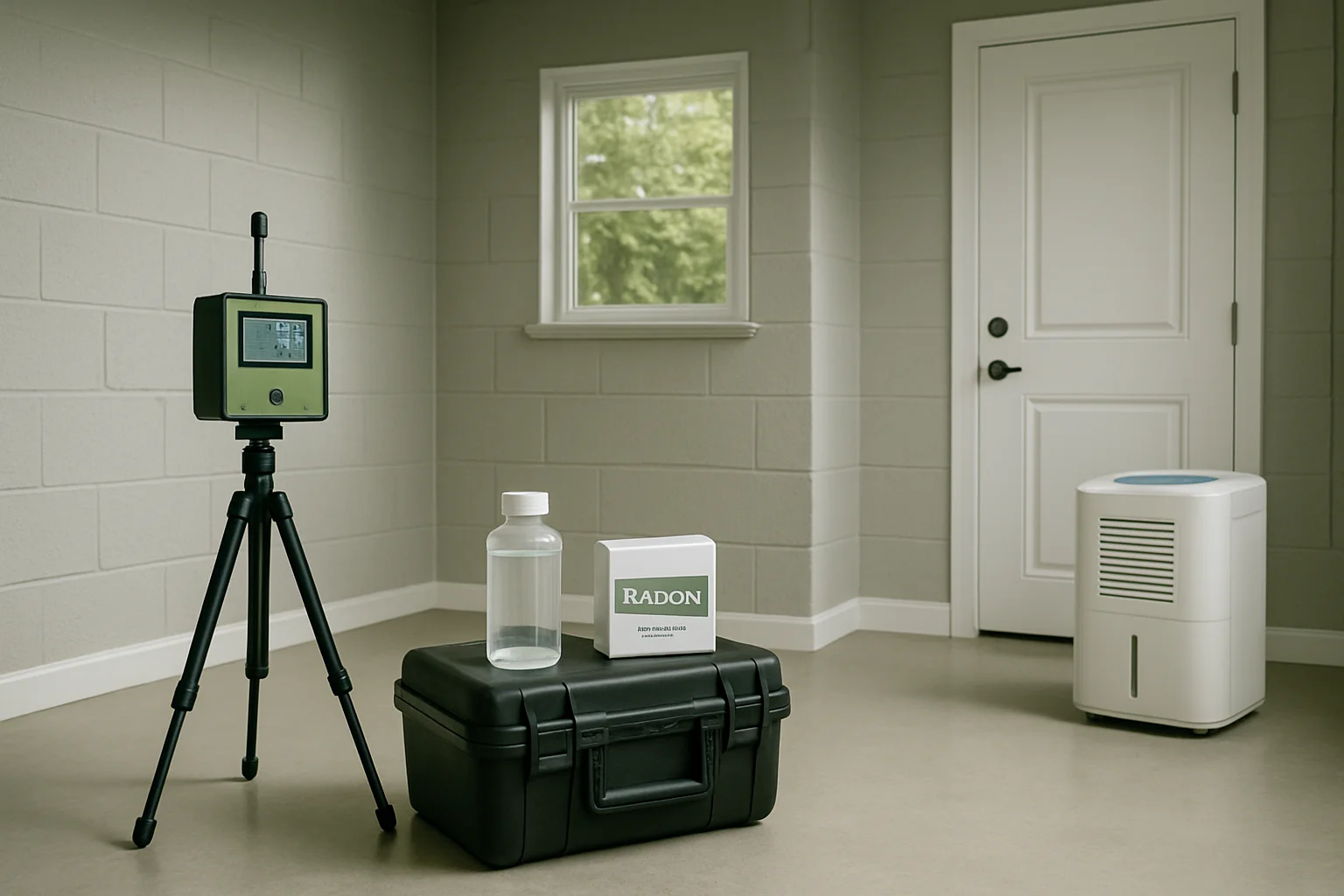
- Radon questions? Radon is a separate concern that requires specific testing. If you’re unsure, consider scheduling radon testing—especially for lower levels and basements.
- Water quality questions? If odors or staining suggest water-related issues (well water, plumbing changes, or filtration questions), water testing can help provide clearer answers.
- Odor events and reset needs: For certain odor situations (after smoke, strong lingering smells, or vacancy), professional ozone machine rentals may be a tool to discuss, used responsibly and according to instructions.
- Home maintenance that supports overall performance: Routine services like water heater flushing can support system efficiency and reliability (not an air service, but often part of whole-home prep and maintenance planning).
If you’re not sure which service fits, A1 House Prep can help you choose the right starting point based on your home’s symptoms and history.
When to schedule indoor air quality testing in Montgomery County, PA
Timing matters. Consider booking indoor air quality testing Montgomery County PA homeowners often schedule during these common situations:
- After a water event (leak, seepage, storm-related dampness), once basic drying has occurred
- During high-humidity seasons (late spring through summer) when musty odors and condensation are more noticeable
- Before listing a home to address questions proactively and reduce uncertainty
- During the inspection window for buyers who want more clarity than a general home inspection provides
- After renovations if odors linger or comfort changes
For local homeowners in Harleysville, Lansdale, Hatfield, Souderton, North Wales, Blue Bell, Ambler, and Collegeville, scheduling before peak humidity or immediately after a repeat issue can help capture meaningful conditions rather than a “best day” snapshot.
Ready for clearer answers about your indoor air?
If you’re noticing musty odors, recurring humidity issues, or general indoor air concerns, A1 House Prep can help you choose the right next step with professional air quality testing in Montgomery County, PA.
Call A1 House Prep: 215.853.8226
Request service online: /request-service/
Tips to reduce indoor air issues while you plan testing
These practical steps can improve comfort and help you observe patterns. They’re not a substitute for testing, but they can be useful while you’re deciding what to do next.
- Change HVAC filters on a regular schedule appropriate to your system and household conditions.
- Run bathroom fans during showers and for a period afterward to help manage moisture.
- Use kitchen ventilation when cooking, especially for high-heat or smoky meals.
- Track humidity with a simple indoor hygrometer; many homes aim for a comfortable mid-range depending on season.
- Address visible water sources (leaks, seepage, wet storage items) promptly and thoroughly.
- Keep supply and return vents clear to support balanced airflow.
- Store paints, solvents, and strong chemicals in sealed containers and, when possible, outside of living areas.
What homeowners, buyers, and agents should expect from the process
For many households, the biggest value of home air testing is confidence. Instead of guessing whether a smell is “normal,” whether the basement is “just old,” or whether a renovation odor will fade, a measured approach helps you decide what’s worth addressing.
In real estate settings, it can also support clearer communication. Sellers can document what they did and when. Buyers can better understand what they’re taking on. Agents can help keep negotiations focused on practical next steps rather than uncertainty.
If you’re coordinating multiple home preparations, you may also want to align testing with other services A1 House Prep offers—like radon testing or water testing—so you can make informed decisions with a fuller picture of the property.
FAQ: Indoor Air Quality Testing in Montgomery County, PA
How do I know if I need indoor air quality testing or if it’s just normal seasonal stuff?
If a smell, irritation, or comfort issue is persistent, recurring, or isolated to certain rooms (like a basement or a specific bedroom), testing can help clarify whether there’s a measurable indoor air concern. Seasonal changes can amplify underlying moisture or ventilation patterns, so repeated issues are a helpful signal to investigate.
Can I use a DIY monitor instead of a professional air quality test?
DIY monitors can be useful for general awareness (like tracking humidity or basic particle readings), but they can’t always explain why conditions are occurring or how different areas of the home compare. Professional home air testing is helpful when you want a more complete evaluation and guidance on next steps.
Should I test before or after I clean or run dehumidifiers?
If you’re actively managing a problem (like running dehumidifiers after a damp period), it’s often still worth discussing testing—because it can document current conditions and help determine whether the underlying contributors are controlled. If you recently had a significant water event, it may be best to do initial drying/cleanup first, then test if concerns persist.
Is indoor air quality testing useful for homebuyers in Harleysville, Lansdale, or surrounding towns?
Yes—buyers often use testing to reduce uncertainty, especially with finished basements, older homes, or properties with signs of humidity or odor. It can be scheduled during the inspection window to support informed decisions without relying solely on visual observations.
Do musty smells always mean mold?
Not always. Musty odors can come from moisture in building materials, damp storage, carpets, or ventilation issues. Testing can help you gather more information, but it’s also important to pair results with what’s happening in the building (humidity, seepage, airflow, and any visible staining).
How often should I schedule indoor air quality testing?
There isn’t a single schedule that fits every home. Many homeowners test when they notice changes (after a renovation or water event) or when buying/selling. If your home has recurring indoor air concerns, periodic testing can help you track whether conditions are improving or returning seasonally.
What’s the best next step if I’m concerned about my home’s air?
Start by documenting what you’re noticing (which rooms, what time of year, and any recent changes like leaks or renovations). Then contact A1 House Prep to discuss air quality testing options that fit your home and goals. If you also have concerns about radon or water, consider bundling with radon testing or water testing for a more complete picture.
Schedule indoor air quality testing with A1 House Prep
When indoor air questions come up, you don’t need to guess your way through it. A1 House Prep provides homeowner-focused, practical testing support across Montgomery County, including Harleysville, Lansdale, Hatfield, Souderton, North Wales, Blue Bell, Ambler, and Collegeville.
Call: 215.853.8226
Request service: /request-service/
Learn more: /services/air-quality-testing/