Odor Problems That Can Make a Home Feel Neglected
If you’ve ever walked into a house and thought, “Something feels off,” there’s a good chance the clue wasn’t visual—it was in the air. Odors are one of the fastest ways a home can feel neglected, even when the floors are clean and the paint is fresh. For homeowners preparing to list, odor problems before selling home can quietly undermine showings, reduce buyer confidence, and invite assumptions about hidden issues.
In Pennsylvania—from Montgomery County and Bucks County to neighborhoods in Harleysville, Lansdale, Hatfield, Souderton, North Wales, and Blue Bell—homes face a familiar mix of seasonal humidity, basements, pets, and older building materials. The result is often not a single “bad smell,” but a set of odor patterns that suggest age, moisture, or poor ventilation.
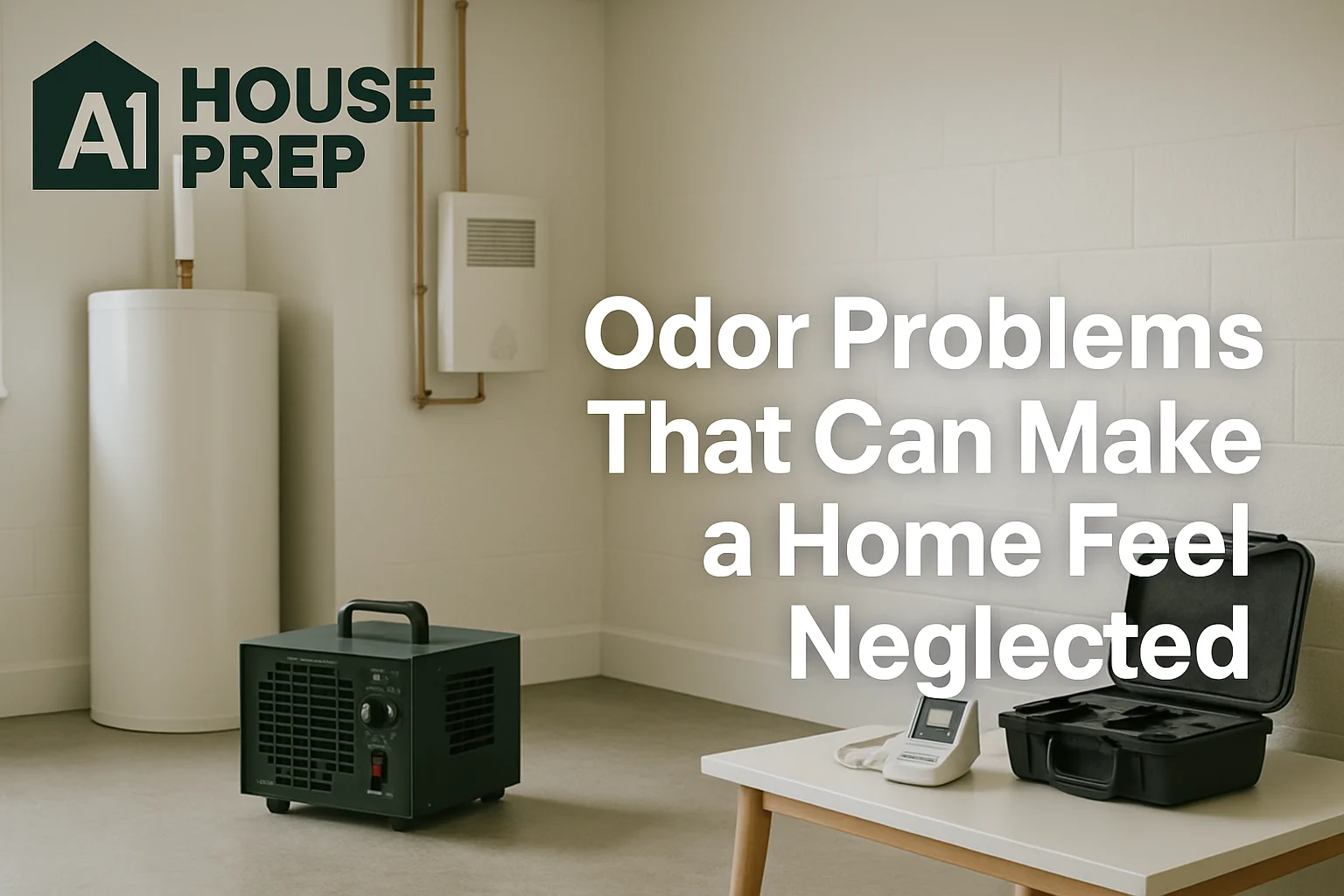
This guide is designed for sellers, buyers, and real estate professionals who want a practical, premium approach: identify what you can see, test what you can’t, and treat odors the right way (without guesswork or harsh cover-ups). When needed, Professional Ozone Machine Rentals can be a powerful tool for odor treatment in unoccupied spaces only—with clear safe-use instructions and the right expectations.
A curious homeowner’s rule of thumb: If the odor is consistent (shows up in the same room, at the same time of day, or under the same weather conditions), it’s usually telling you something specific—about moisture, ventilation, materials, or a source that needs attention. Treating the smell without identifying the source often leads to disappointment during inspections and showings.
Why odors matter so much during a sale
Odors don’t just affect comfort—they affect perception. Buyers interpret smells as “evidence,” even when that evidence is incomplete. A faint mustiness may be read as a wet basement. A sweet chemical smell can be interpreted as a recent cover-up. A lingering litter-box note can make a perfectly maintained home feel harder to care for.
For sellers, this is frustrating because odors are often:
- Invisible (sources behind walls, under flooring, or in ductwork)
- Variable (worse after rain, heat, or when the home has been closed up)
- Familiar (you may be “nose-blind” to your own home)
The goal is not to panic or overcorrect. It’s to reduce uncertainty. That’s where an evidence-based approach—cleaning, ventilation improvements, targeted maintenance, and the right testing—beats masking every time.
Common odor problems that signal “neglected,” and what they typically mean
1) Musty basement or “old house” smell
This is a classic Pennsylvania showing-killer. Musty odors often intensify after rain or when the HVAC is off. Typical contributors include:
- High humidity in basements or crawl spaces
- Stored porous items (cardboard, rugs, old fabric) absorbing moisture
- Damp concrete, sump pits, or floor drains
- Past water events that left residual odor in framing or subfloor
Practical steps before listing: Declutter soft goods, run a dehumidifier, confirm downspouts and grading direct water away, and clean floor drains. If a musty smell persists, consider whether you need more insight into what’s in the air. Indoor conditions can be evaluated through Air Quality Testing when you want to replace assumptions with measurements.
2) Pet odors that resurface after cleaning
Pet ownership is common, and most buyers are understanding—until an odor feels embedded. Pet odors often live below the surface:
- Urine in subfloor seams or around baseboards
- Carpet padding and tack strips
- HVAC returns that pull air from pet areas
- Furniture and curtains holding hair and dander
Practical steps before listing: Use enzyme-based cleaners (not just fragrance), consider replacing affected padding, wash removable fabrics, and change HVAC filters. If a home has been professionally cleaned and still smells pet-adjacent, an unoccupied-space ozone treatment may be considered as a final deodorization step—after the underlying source has been addressed.
3) Smoke and cooking residue (even when no one smokes)
Smoke odor can linger for years, but so can heavy cooking residue—especially frying and strong spices. These odors cling to:
- Painted walls and ceilings
- Cabinet interiors
- Range hoods and grease filters
- Soft materials (blinds, drapes)
Practical steps before listing: Degrease kitchen surfaces, replace hood filters, and consider a deep clean of cabinets. If a stale odor returns quickly after cleaning, it may be trapped in porous surfaces or HVAC pathways.
4) Sewer gas or “rotten egg” notes
These odors tend to cause immediate concern during showings, and for good reason—they’re unpleasant and can indicate a plumbing issue. Common, fixable causes include:
- Dry P-traps in floor drains or unused bathrooms
- Loose toilet seals or wax rings
- Ventilation issues in plumbing vents
Practical steps before listing: Run water in seldom-used sinks/tubs, confirm drain traps are functional, and have a plumber assess persistent odor. Odor treatment should not be used as a substitute for plumbing repairs.
5) “Wet towel” HVAC odor or stale air after the house is closed up
If a home smells fine while windows are open but turns stale after a day closed, it’s often a ventilation and humidity balance issue. Contributing factors can include:
- Dirty coils or condensation management issues
- High indoor humidity and limited air exchange
- Basement air being pulled into living areas
Practical steps before listing: Replace filters, consider an HVAC checkup, and manage humidity. If you want to better understand what the home’s air is carrying (beyond smell alone), air testing can add clarity.
6) Water-related odors from sinks, wells, or fixtures
Some odors are not “in the air” at all—they’re coming from water. Buyers notice sulfur-like smells, metallic notes, or musty odors near sinks and laundry areas. In Bucks and Montgomery County, water source and plumbing age vary widely by neighborhood.
Practical steps before listing: Clean aerators, flush little-used fixtures, and consider establishing baseline water quality through Water Testing. This is especially helpful when you want to answer buyer questions with information instead of guesswork.
7) Water heater “stale water” smell and sediment issues
Sometimes an odor shows up most in hot water or the laundry room. Sediment buildup and stagnant conditions can contribute to unpleasant smells and inconsistent performance.
Practical step: Routine maintenance may help. If your water heater hasn’t been serviced recently, consider scheduling Water Heater Flushing as part of your pre-listing preparation plan.
The “testing replaces guessing” approach: invisible home facts that build confidence
One of the easiest ways to reduce stress before listing is to stop debating what a smell “might be.” Odors can come from moisture, materials, ventilation, plumbing, or lifestyle—and sometimes multiple small sources stack together.
A1 House Prep helps Pennsylvania homeowners gather clear information through testing services, so you can make calm, practical decisions:
- Air Quality Testing to better understand indoor air conditions and potential contributors to persistent stale or musty environments
- Water Testing when odor seems tied to faucets, hot water, or household water characteristics
- Radon Testing as part of responsible home knowledge—especially in areas where buyers expect documentation (testing is about information, not assumptions)
Testing doesn’t have to be dramatic. It’s simply a premium way to answer the question: “What are we really dealing with here?”
When ozone makes sense for odor problems before selling home (and when it doesn’t)
Ozone is often talked about like a magic eraser for odors. In reality, it’s a tool—best used in the right scenario, with the right precautions, and after the odor source has been addressed. For pre-sale prep, ozone can be useful for lingering odor molecules after deep cleaning, especially in:
- Vacant homes between move-out and listing photos
- Basements after moisture has been controlled and porous items removed
- Rooms with persistent cooking or smoke residue after cleaning
- Homes where pet odors were treated at the source, but a residual smell remains
Ozone is not a substitute for fixing:
- Active leaks, seepage, or ongoing moisture intrusion
- Plumbing/sewer gas problems
- Mold remediation needs or water-damaged materials
- Unsafe or unknown chemical sources
Safe-use essentials: ozone treatment in unoccupied spaces only
A1 House Prep supports homeowners and property pros with Professional Ozone Machine Rentals as an odor treatment option—but it must be used responsibly. General best practices include:
- Unoccupied treatment only: No people, pets, or plants in the space during operation.
- Plan ventilation: After treatment, allow time for the space to air out thoroughly before re-entry.
- Seal and stage: Close interior doors or isolate zones to focus treatment where needed and avoid unnecessary spread.
- Remove sensitive items: Follow guidance for items that may be affected (certain rubbers, delicate materials, and valuables).
- Don’t “overdo it”: More time isn’t always better. Use a measured plan based on the space and odor goal.
If you’re coordinating this for a listing—especially with tight timelines for photos and showings—having a clear, safe plan is part of making the outcome feel premium rather than risky or rushed.
A practical, room-by-room odor check before showings
If you want fast clarity without spiraling, do a simple walkthrough like a buyer would. Close the home up for a few hours, then re-enter and take notes. Check these hotspots:
- Entryway: First impression—shoes, coats, pet bedding, damp umbrellas.
- Basement door: Open it and pause. Musty air that “pushes out” is a common red flag.
- Kitchen sink and disposal: Odors often spike after warm water use.
- Laundry area: Front-load washer gasket smells and damp lint traps.
- Bathrooms: Floor drains, rarely used showers, toilet base, and ventilation fans.
- Bedrooms: Soft materials hold scent—closets, carpeted rooms, and pet sleep areas.
- HVAC returns: If returns smell dusty or stale, the whole house can feel that way.
If you can identify a specific source, address it directly. If the smell is general and persistent, that’s often the moment to switch from “trying everything” to learning more through testing and targeted odor treatment.
Need a calm, professional plan before listing?
If you’re dealing with odor problems before selling home in Montgomery County or Bucks County (including Harleysville, Lansdale, Hatfield, Souderton, North Wales, or Blue Bell), A1 House Prep can help you move from suspicion to clear next steps.
- Explore Professional Ozone Machine Rentals for unoccupied-space odor treatment
- Consider Air Quality Testing or Water Testing when the source isn’t obvious
- Request scheduling help via Request Service or call 215.853.8226
Tips for real estate professionals: reducing odor risk without overpromising
Agents and stagers are often the first to notice a home’s “air story.” A premium approach is to keep language neutral and action-oriented:
- Document observations: “Basement has a musty note after rain” is more useful than “possible mold.”
- Focus on controllables: Dehumidification, decluttering, drain maintenance, HVAC filters, deep cleaning.
- Use testing to support disclosures and buyer confidence: When homeowners can present results, conversations tend to get calmer.
- Schedule ozone thoughtfully: Best between move-out and photos, or during a gap with clear ventilation time afterward.
When you treat odors as a solvable prep item—rather than an emergency—clients feel supported, and listings show better.
FAQ: Odor problems and pre-sale home prep in Pennsylvania
1) What are the most common odor problems before selling home in Pennsylvania?
In our region, the most common issues are musty basements (often humidity-related), pet odors that have soaked into porous materials, stale “closed-up” air from low ventilation, and kitchen/laundry odors that linger in cabinets or drains. The pattern and location usually point to the most likely source.
2) Should I use air fresheners or scented candles before showings?
Light, neutral cleanliness is usually better than strong fragrance. Heavy scents can make buyers suspect you’re covering something up or may irritate sensitive visitors. A better approach is removing the odor source, improving ventilation, and using simple cleaning practices that leave a “nothing” smell.
3) When is an ozone machine a good idea for a listing?
Ozone can be helpful when the home is unoccupied and you’ve already addressed the source (deep cleaning, moisture control, removing affected items), but a residual odor remains. It’s often used after move-out, before photography, or during a window when the property can remain vacant for treatment and ventilation.
4) Is ozone safe to run while I’m home or with pets inside?
No—ozone treatment should be done in unoccupied spaces only, with pets and plants removed, and followed by thorough ventilation before re-entry. If you’re considering ozone, plan the timing carefully and follow the rental instructions closely.
5) If my basement smells musty, do I automatically need remediation?
Not automatically. Musty odors can come from humidity, stored items, or minor dampness without a clear “one thing.” Start with moisture control, decluttering, and cleaning. If the smell persists or you want more confidence for a sale, consider Air Quality Testing to better understand what’s going on.
6) Buyers complained about a sulfur smell in our water—what should we do?
First, confirm whether the odor is in hot water, cold water, or both, and whether it’s strongest at certain faucets. Cleaning aerators and addressing hot-water maintenance may help, but testing is the most straightforward way to establish facts. A1 House Prep offers Water Testing for homeowners who want clear, documentable information.
7) Do I need radon testing to sell my home in Montgomery or Bucks County?
Requirements can vary by transaction, but radon testing is a common part of due diligence in many Pennsylvania sales. If you’d rather avoid last-minute surprises, Radon Testing can help you understand the home’s baseline levels and prepare for buyer questions.
Final thought: a home that smells cared for feels cared for
Odors are rarely about a single cleaning product—they’re about air movement, moisture, materials, and time. The most premium way to handle odor problems before selling home is to treat the process like home prep, not crisis management: identify patterns, handle sources, and use testing when the answer isn’t obvious.
If you’re preparing a home in Harleysville, Lansdale, Hatfield, Souderton, North Wales, Blue Bell, or anywhere in Montgomery County or Bucks County, A1 House Prep is here to help you take a calm, practical next step—whether that’s targeted testing or a carefully planned, unoccupied-space ozone treatment.
Call A1 House Prep: 215.853.8226 | Schedule: Request Service | Learn more: Professional Ozone Machine Rentals