If Radon Has No Smell, How Would You Ever Know It’s There?
Radon is one of those “invisible home facts” that can feel oddly puzzling: it has no smell, no taste, and no obvious warning sign. So how would any homeowner—especially in Pennsylvania—ever know it’s present? The practical answer is simple and reassuring: you don’t guess, you test. This article explains what radon is, why it can show up in Montgomery County and Bucks County homes, and how homeowners, buyers, sellers, and real estate professionals can get clear answers without scare tactics.
Radon has no smell: how to know? You test—because your senses can’t help.
If you’ve searched “radon has no smell how to know,” you’re already thinking like a careful homeowner. With many household issues, you can see water staining, smell mustiness, or hear a mechanical problem. Radon doesn’t work that way. It’s a naturally occurring radioactive gas that can move from the ground into a home through tiny openings and pathways—and it’s often present with no sensory clues.
That’s why radon awareness is really about measurement. Testing replaces guessing. It turns a “maybe” into a number you can make decisions with—whether you’re planning upgrades, preparing to list your home, or simply building a clearer picture of your indoor environment.
Why Pennsylvania homeowners hear about radon so often
Radon is a nationwide concern, but Pennsylvania frequently comes up in radon conversations because levels can vary across regions and even from one street to the next. In places like Montgomery County and Bucks County—including communities such as Harleysville, Lansdale, Hatfield, Souderton, North Wales, and Blue Bell—you’ll find a mix of home styles, foundations, soil conditions, and renovation histories. That variety matters because radon entry and indoor concentration depend on multiple factors, including:
- Soil and rock conditions beneath and around the home
- Foundation type (basement, crawlspace, slab-on-grade)
- Cracks and penetrations (sump pits, utility lines, floor joints)
- Ventilation and air pressure differences between indoors and outdoors
- Seasonal patterns (homes can “trap” air differently in winter vs. summer)
Importantly, none of those factors are something you can reliably “sense.” Two neighboring homes can have different radon test results. A finished basement can have different readings than an unfinished one. And a home that tested low years ago might test differently after changes like new windows, air sealing, HVAC updates, or basement finishing.
Common myths that keep homeowners guessing
Because radon is invisible, a lot of myths fill the gap. Clearing these up helps you decide whether testing makes sense for your situation.
- Myth: “My house doesn’t have a basement, so I’m fine.”
Reality: Radon can be present in slab and crawlspace homes too. Entry pathways aren’t limited to basements. - Myth: “My home is new, so it won’t have radon.”
Reality: New construction can still have radon. A tighter building envelope can also reduce natural air exchange, which may affect indoor concentrations. - Myth: “I’d smell it.”
Reality: Radon has no smell. Odors are more often related to moisture, mold, plumbing, or smoke—not radon. - Myth: “A neighbor tested low, so I don’t need to test.”
Reality: Radon levels can vary home-to-home. Your home’s foundation, airflow, and soil contact are unique. - Myth: “One quick test once means I’m done forever.”
Reality: It’s wise to re-check radon after major renovations, HVAC changes, basement finishing, or periodically over time.
Where radon hides (and why it’s not always the basement “smell”)
Homeowners often associate “bad air” with a damp basement odor. That smell can be real, but it’s typically tied to humidity, microbial growth, stored materials, or drainage—not radon. Radon is odorless. It can be present in a clean, dry, freshly renovated lower level just as easily as in an older unfinished basement.
Radon commonly enters through:
- Cracks in basement floors or slab foundations
- Construction joints (where walls meet floors)
- Gaps around service lines (water, gas, electric)
- Sump pits and drain systems
- Crawlspace soil and vents
Because the gas originates from the ground, lower levels tend to be the focus of testing. But a home’s airflow patterns can distribute radon in ways that aren’t obvious. That’s another reason measurement matters more than assumptions.
A1 House Prep Tip: Curiosity is a smart homeowner strategy
Many A1 House Prep clients in Montgomery County and Bucks County schedule radon testing for one reason: they want to know. Not because something is “wrong,” but because invisible conditions—like radon, indoor air factors, or water quality—are easier to manage when you have clear information. Testing turns an unknown into a practical next step.
How radon testing works (in plain terms)
Radon testing measures the radon concentration in the air over a defined period of time. It’s not invasive, and it doesn’t require guesses based on the age of the home or neighborhood trends. The goal is to gather reliable data under appropriate conditions so you can decide what to do next.
Short-term vs. longer-term testing
- Short-term testing is commonly used for real estate timelines or quick decision-making. It provides a snapshot over a few days.
- Longer-term testing measures over weeks to months and can offer a broader view of typical conditions across changing weather and home-use patterns.
Which approach is right depends on your goal: a transaction deadline, a renovation plan, a baseline check, or ongoing home health curiosity. If you’re unsure, A1 House Prep can help you choose the most practical option for your situation through their Radon Testing service.
What to expect during a professional radon test
Homeowners often appreciate radon testing because it’s straightforward. While exact steps can vary by home layout and test type, here’s the typical experience:
- Scheduling at a convenient time—especially helpful for buyers, sellers, and occupied homes.
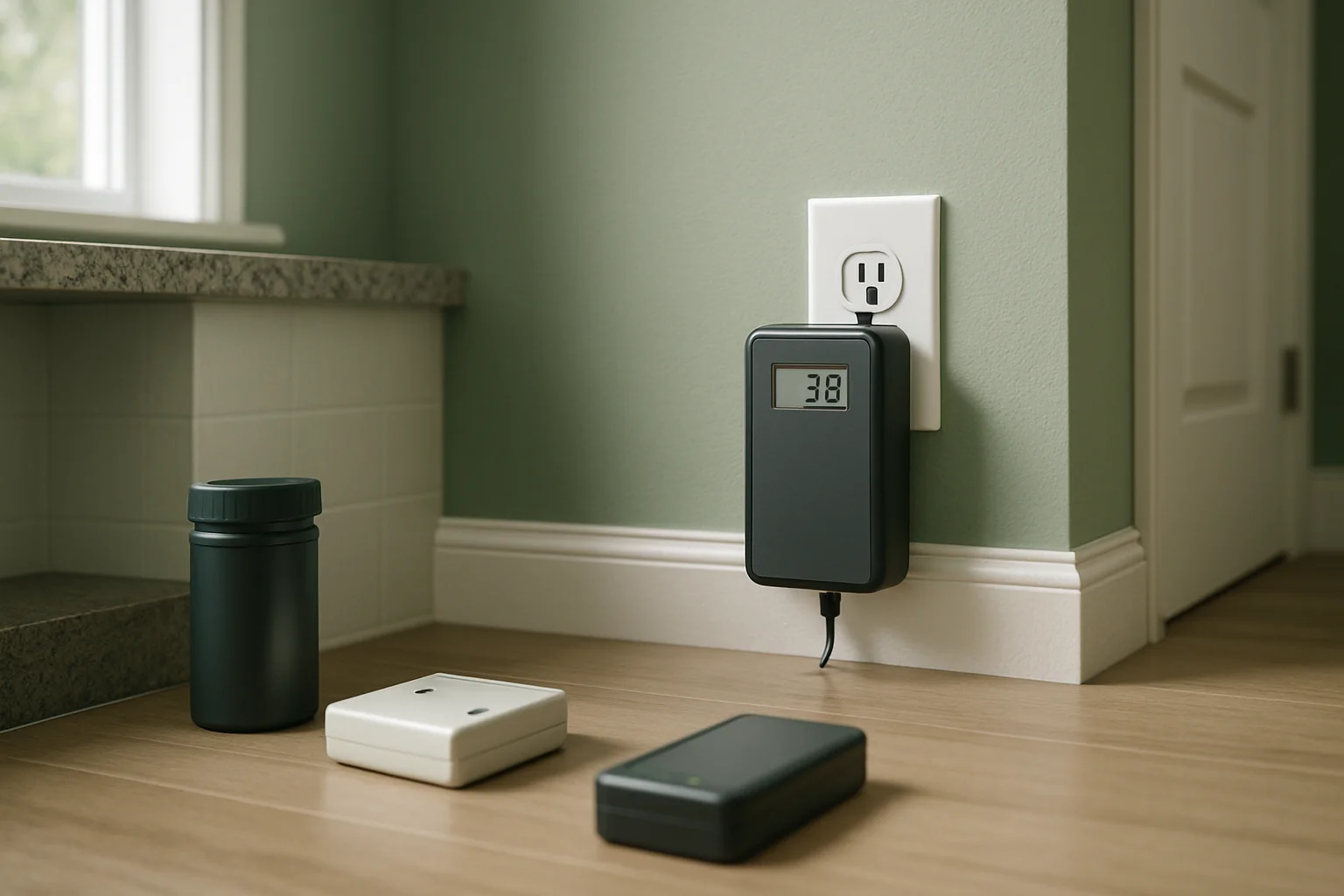
- Placement of a radon testing device in the appropriate location (often the lowest livable level).
- Test period during which the device collects measurements.
- Results and reporting so you have documentation for personal decisions or real estate files.
- Next-step guidance based on what the numbers show (without pressure or fear-based messaging).
If you’re preparing for a sale, coordinating inspections, or managing a tight timeline in Harleysville, Lansdale, Hatfield, Souderton, North Wales, or Blue Bell, professional testing can help keep the process organized and well-documented.
When it’s smart to test (homeowners, buyers, sellers, and agents)
Radon testing isn’t only for “problem houses.” It’s useful any time you want clarity. Consider testing if:
- You’ve never tested and want a baseline for your home.
- You’re buying and want to understand invisible conditions before closing.
- You’re selling and want fewer surprises during the inspection phase.
- You finished a basement or are planning to use a lower level more often.
- You upgraded windows, doors, insulation, or HVAC and changed how the house “breathes.”
- A neighbor tested and you’re curious what your home’s number looks like.
- It’s been a few years since your last test and you want updated data.
For real estate professionals, radon testing is one of those services that can help reduce uncertainty. For homeowners, it’s often about confidence: you’re not relying on assumptions.
Radon vs. other “invisible” home concerns: don’t mix up the tools
It’s common to hear radon discussed alongside indoor air concerns like odors, dust, smoke, or dampness. They’re all part of the indoor environment—but they require different approaches.
- Radon is measured with a radon test. No smell-based clue will confirm or rule it out.
- General indoor air concerns (stale air, irritation triggers, suspected particulates) may call for Air Quality Testing to gather more specific information.
- Water quality questions (taste, staining, filtration decisions) are best answered by Water Testing, especially for well water or older plumbing.
- Odor events (smoke, pet, or stubborn musty smells) may sometimes benefit from controlled deodorization options—more on ozone below.
In other words: the right test helps you spend time and money in the right place. If you’re not sure what type of issue you’re dealing with, A1 House Prep can point you toward the most sensible starting point.
About ozone machines: helpful for odor treatment, not for radon (and only with safe use)
Because radon has no smell, it’s understandable that homeowners look into “air cleaning” options and wonder if odor-control tools help. Ozone machines are sometimes used to address certain odors in specific scenarios, but they are not a way to detect or address radon. Radon requires testing for measurement.
If you’re considering odor treatment—especially after smoke, pet odors, or a vacancy period—A1 House Prep offers Professional Ozone Machine Rentals. Ozone should be used carefully and only as directed. Practical guidelines include:
- Use only in unoccupied spaces (no people or pets present).
- Follow all provided instructions regarding run time and space size.
- Allow time to air out thoroughly before re-entry.
- Remove or protect sensitive items as recommended (certain materials can be affected).
If your concern is radon specifically, the most direct path is still a professional radon test—because radon is not an odor problem and won’t be solved by odor masking.
A practical “next step” plan for homeowners in Montgomery & Bucks County
If you’re trying to keep this simple, here’s a homeowner-friendly way to move forward:
- Decide what you want: a baseline for peace of mind, a real estate requirement, or a re-check after renovations.
- Schedule radon testing and follow any pre-test guidance so results reflect normal living conditions as closely as possible.
- Review the results and keep them with your home records (helpful for future buyers and for your own planning).
- Ask questions if anything is unclear—understanding the “why” behind the numbers matters.
For many households in communities like Lansdale, Hatfield, and North Wales, this approach feels empowering: you’re not reacting to headlines or rumors—you’re learning what’s true for your specific home.
FAQ: Radon testing questions homeowners ask most
- 1) If radon has no smell, how would you ever know it’s there?
- You can’t detect radon with your senses. The dependable way to know is to measure it with a radon test—either short-term for quicker answers or longer-term for a broader view.
- 2) Do homes in Montgomery County or Bucks County really need radon testing?
- Radon can vary widely from home to home—even on the same street—so testing is the most practical way to learn your home’s situation. Many Pennsylvania homeowners test as part of routine home knowledge or real estate due diligence.
- 3) Is my home “safe” if it doesn’t smell musty or if my basement is finished?
- A fresh-smelling or newly finished basement doesn’t rule out radon. Musty odors are typically related to moisture, not radon. Testing provides the clarity that appearance and smell can’t.
- 4) When should I test—before listing, during inspection, or after moving in?
- Any of those can be a good time. Sellers often test to reduce surprises, buyers often test during inspection, and homeowners often test after moving in to establish a baseline—especially if they plan to use the basement regularly.
- 5) Can air purifiers, ventilation fans, or ozone machines tell me if I have radon?
- No. Air cleaners and deodorization tools may affect certain odors or particulates, but they don’t measure radon. Radon requires a specific test designed to measure radon concentration.
- 6) Should I retest radon after renovations or HVAC changes?
- It’s a smart idea to consider retesting after changes that affect airflow or how tightly the home is sealed—such as new windows, air sealing, finishing a basement, or major HVAC updates. Retesting provides updated information for your current conditions.
Ready to replace guessing with clear results?
If you’re in Pennsylvania—especially Montgomery County or Bucks County—and you’ve been wondering how to know what you can’t see or smell, A1 House Prep can help you get straightforward answers with professional Radon Testing.
Call 215.853.8226 or use our online form to Request Service.
If you’re also comparing broader indoor concerns, explore Air Quality Testing and Water Testing to build a fuller picture of your home’s environment.
One final thought: knowing is the premium upgrade
Homeownership comes with enough visible surprises—roof wear, aging appliances, seasonal humidity. Radon is different because it’s invisible and odorless, which makes it easy to ignore or overthink. The calm, practical middle path is testing: a simple step that turns curiosity into a clear, actionable home record.
Whether you’re maintaining your home in Blue Bell, preparing to sell in Souderton, buying in Harleysville, or managing a transaction in Lansdale or Hatfield, a radon test is a straightforward way to understand what’s happening in the place you live and invest in every day.