How Long Does a Radon Test Take?
Whether you’re preparing to list a home, buying in Montgomery County, or simply trying to understand your indoor environment, timing matters. A common question we hear at A1 House Prep is: how long does radon testing take? The answer depends on the type of test, the purpose (real estate vs. homeowner check), and how the home is set up during the testing period.
This guide explains the typical radon test timeline, what happens before and after the test, and how to plan around a 48 hour radon test—especially for homes in and around Harleysville, Lansdale, Hatfield, Souderton, North Wales, Blue Bell, Ambler, and Collegeville.
The Quick Answer: Most Radon Tests Take 48 Hours (Plus Logistics)
For many real estate transactions and time-sensitive situations, the most common approach is short term radon testing, which typically runs for 48 hours (2 days). That timeframe refers to the measurement period—the device is collecting data continuously during those 48 hours.
In real life, you should also allow time for:
- Scheduling and setup (often the same week, depending on availability)
- Closed-house conditions to begin before testing (more on that below)
- Pickup or retrieval after the test period ends
- Result processing and reporting
If you’re planning a home inspection window, appraisal, showings, or contractor access, it helps to think of radon testing as a 2–4 day process end-to-end in many cases.
Radon Test Timeline: Step-by-Step
Here’s what a typical radon test timeline looks like when you work with A1 House Prep for professional testing:
1) Scheduling and Planning (Same Day to Several Days)
We coordinate with homeowners, listing agents, buyers’ agents, and property managers to pick an appointment that supports the transaction schedule. In busy seasons across the North Penn area—Lansdale, Hatfield, Souderton, and North Wales—booking a few days ahead is often smart.
2) Pre-Test Requirements (Usually 12 Hours Before Testing)
Most protocols for short-term measurement call for “closed-house conditions” for a period before and during the test. Practically, that typically means:
- Keep windows closed
- Keep exterior doors closed except for normal entry/exit
- Operate the home normally, but avoid extended airing-out
If you’re selling a home in Blue Bell or Ambler and expecting frequent showings, it’s important to plan ahead so the test isn’t disrupted.
3) Device Placement (Usually 15–30 Minutes On-Site)
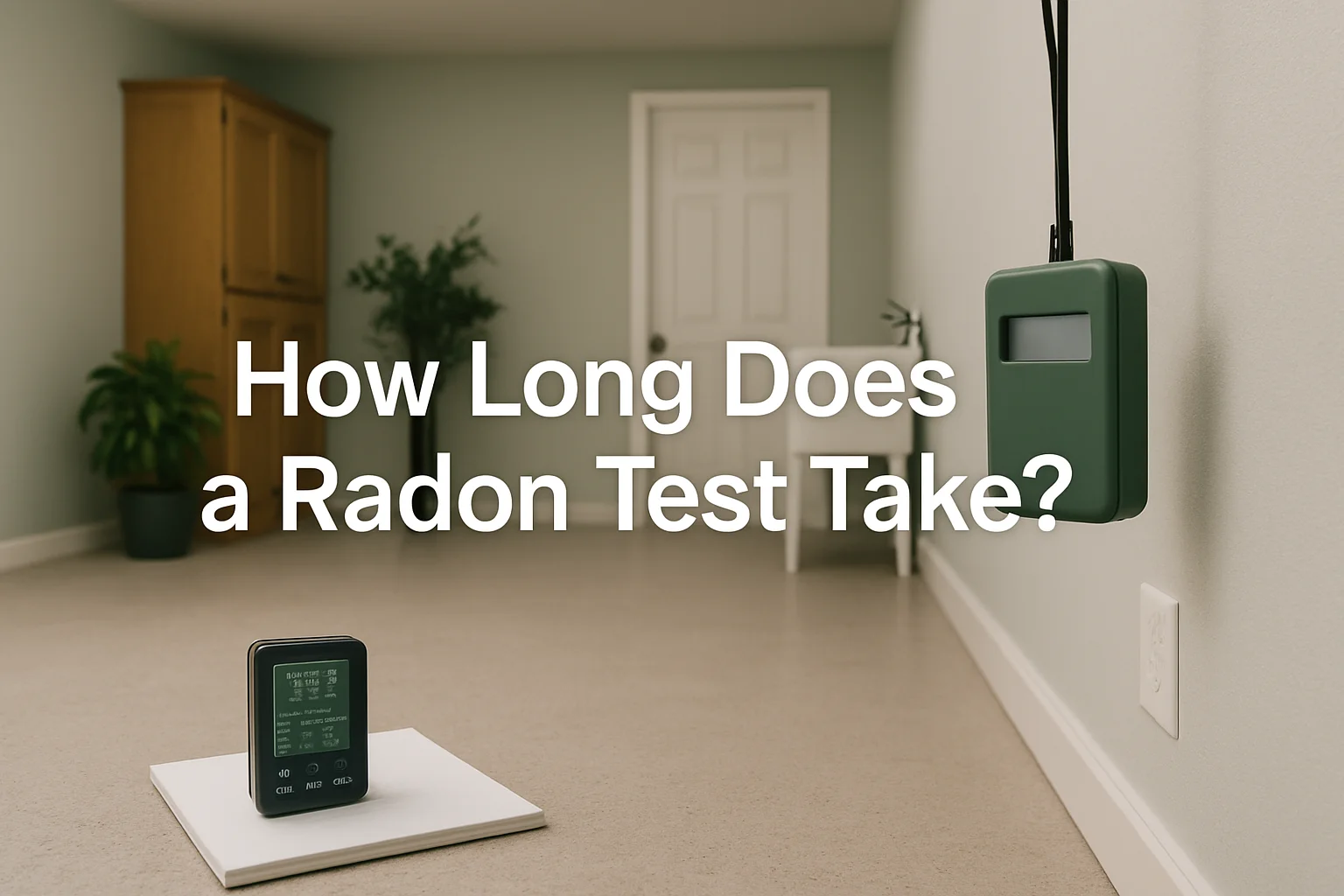
The setup visit is typically quick. The device is placed in the appropriate location—usually the lowest livable level of the home (often a basement) following standard placement guidelines. The goal is consistent, reliable measurement under typical lived-in conditions.
4) Measurement Period (Commonly a 48 Hour Radon Test)
During a 48 hour radon test, the device collects radon readings over the full period. The home should maintain closed-house conditions throughout. Running HVAC is typically fine; in fact, it can help maintain normal interior conditions.
5) Retrieval and Reporting (Often 24–72 Hours After Completion)
After the measurement period ends, the device is retrieved or the data is downloaded (depending on the type of monitor used). From there, results are compiled into a report. If you’re working against a tight contingency deadline in Collegeville or Harleysville, let us know—timing can often be coordinated.
To schedule professional testing, visit Radon Testing or use our Request Service form.
Local Planning Tip for Montgomery County Transactions
If you’re coordinating inspections, repairs, and contractor access—especially in active markets like North Wales, Lansdale, and Blue Bell—plan the radon test window early. A 48-hour measurement sounds simple, but showings, open houses, and frequent door traffic can interfere with the closed-house requirements and may lead to an invalid test that needs to be repeated.
Short Term Radon Testing vs. Long Term: What Changes the Timeline?
When people ask how long does radon testing take, they’re usually referring to short-term testing because it fits real estate timelines. But there are two broad categories:
Short Term Radon Testing (Common for Real Estate)
- Typical duration: 48 hours (sometimes slightly longer depending on the device and protocol)
- Best for: Home inspections, transaction deadlines, initial screening
- What to expect: Quick setup, closed-house conditions, results shortly after completion
Long Term Radon Testing (More Data, Longer Timeline)
- Typical duration: weeks to months (often 90+ days in many long-term approaches)
- Best for: Homeowners wanting a broader picture across weather/season changes
- What to expect: Less sensitive to short-term fluctuations, but not designed for fast closing schedules
If you’re unsure which approach fits your needs, A1 House Prep can help you choose a test that matches your goals and timeline. Start here: /services/radon-testing/.
Why 48 Hours Is So Common
The 48 hour radon test is widely used because it balances speed and enough measurement time to capture typical indoor conditions. Radon levels can fluctuate due to weather, pressure differences, HVAC operation, and how the home is used. A full two-day window provides more stability than a quick “spot check.”
In practical terms, 48 hours also fits neatly into inspection periods for buyers and sellers throughout Hatfield, Souderton, and Collegeville—especially when multiple services are being coordinated at once.
What Can Delay a Radon Test (or Require a Retest)?
Most radon tests go smoothly. However, a few common issues can extend the radon test timeline or require repeating the measurement.
1) Open Windows or Extended Door Traffic
Frequent airing-out can change indoor conditions and may invalidate the test. If you’re hosting an open house in Ambler or showing a property multiple times per day in Lansdale, schedule the test for a quieter window.
2) Power Interruptions (For Certain Devices)
Some professional monitors record environmental data and need continuous power. If an outlet is switched off or a breaker trips, it can interrupt logging and impact results.
3) Device Placement Challenges
Cluttered basements, ongoing renovations, or limited safe placement options can complicate setup. We’ll work with what’s available, but a clear, accessible area helps keep the appointment fast and the test reliable.
4) Weather and Seasonal Changes
Weather doesn’t usually delay a test, but it can influence readings. That’s one reason long-term testing can be valuable for homeowners who want a broader view.
5) Scheduling Conflicts With Other Work
If contractors need to run fans, open doors for material delivery, or perform work that changes air movement, it may be better to schedule radon testing before or after that activity.
How to Prepare Your Home for a Smooth 48-Hour Radon Test
A little planning can keep your short term radon testing appointment on track. Here are practical steps that help:
- Choose the right days: Pick a 2–3 day window with fewer showings, visits, or contractor trips.
- Confirm access: Ensure we can access the lowest livable level (often a basement) at setup and retrieval.
- Keep windows closed: Follow closed-house guidance before and during the test.
- Don’t move the device: Avoid bumping, relocating, or covering the monitor.
- Run the home normally: Normal heating/cooling is fine; consistency is the goal.
- Plan around pets and kids: We place devices thoughtfully, but it helps to keep the testing area undisturbed.
If you’re coordinating multiple property prep services, we can help you plan an efficient schedule. Depending on the home and your goals, you may also consider Air Quality Testing and Water Testing as part of a complete picture.
What Happens After the Test?
Once the test period ends and the device is retrieved, your results are compiled into a clear report. If you’re in a transaction, this report can be shared with the relevant parties (homeowner, buyer, agent) according to your preference.
If the results indicate elevated levels, the next step is typically to discuss options and next actions—often involving additional evaluation, retesting strategies, or consultation with mitigation professionals. A1 House Prep focuses on professional measurement and reporting so you can make informed decisions without guesswork.
Serving Harleysville, Lansdale, Hatfield, Souderton, North Wales, Blue Bell, Ambler & Collegeville
Homes across Montgomery County can vary widely—from older basements and crawlspaces to newer construction with tighter building envelopes. Our team works with homeowners and real estate professionals throughout Harleysville, Lansdale, Hatfield, Souderton, North Wales, Blue Bell, Ambler, and Collegeville to deliver a radon testing process that’s organized, respectful of the property, and aligned with transaction timelines.
FAQs: How Long Does Radon Testing Take?
1) How long does radon testing take for a real estate transaction?
Most real estate situations use short term radon testing, commonly a 48 hour radon test. Including scheduling, setup, and reporting, many homeowners should plan for a 2–4 day overall window.
2) Is a 48-hour radon test accurate enough?
A 48-hour test is a widely used approach for time-sensitive decisions and initial screening. Because radon can fluctuate, some homeowners choose longer-term testing for a broader view, especially if they want insight across changing weather patterns.
3) Can I live in the home during the test?
Yes, in most cases you can continue normal living. The key is maintaining closed-house conditions and avoiding actions that significantly change ventilation—like leaving windows open for extended periods.
4) What if we have showings scheduled during the radon test timeline?
Showings can be compatible if doors/windows aren’t left open and the home isn’t being aired out. For busy listing schedules in places like Lansdale or Blue Bell, it’s often best to pick a quieter 48-hour window to reduce the risk of an invalid test.
5) How soon will I get results after the test is done?
Result timing depends on the device used and scheduling for retrieval/reporting, but many clients receive results shortly after the measurement period ends. If you have a contingency deadline, tell us when you request service so we can coordinate appropriately.
6) What can cause a radon test to be repeated?
Common reasons include not maintaining closed-house conditions, moving the device, power interruptions (for certain monitors), or unusual conditions that interfere with the measurement. Planning ahead helps prevent delays.
7) Should I schedule any other testing at the same time?
If you’re a buyer or seller building a full home health-and-function picture, it can be convenient to pair radon testing with Air Quality Testing and Water Testing. For general home maintenance planning, some homeowners also schedule services like Water Heater Flushing.
Schedule Radon Testing with A1 House Prep
If you need a clear, professional answer to how long does radon testing take for your specific home and schedule, we’ll walk you through the timing, preparation steps, and what to expect from start to finish.
- Service: Radon Testing
- Request an appointment: Request Service
- Call: 215.853.8226