Does a Clean, Well-Kept Home Automatically Mean Low Radon?
A spotless kitchen, fresh paint, and neatly maintained landscaping can make a home feel “healthy” and reassuring. In Pennsylvania—especially in Montgomery County and Bucks County—many homeowners assume that if a house is clean and well cared for, it must also have low radon. It’s a reasonable assumption, but it’s also where the phrase clean home low radon can become misleading.
Radon doesn’t behave like dust, moisture, or odors. It doesn’t announce itself with stains, smells, or visible buildup. A home in Harleysville, Lansdale, Hatfield, Souderton, North Wales, or Blue Bell can be beautifully maintained and still test elevated for radon. The only reliable way to know is to test.
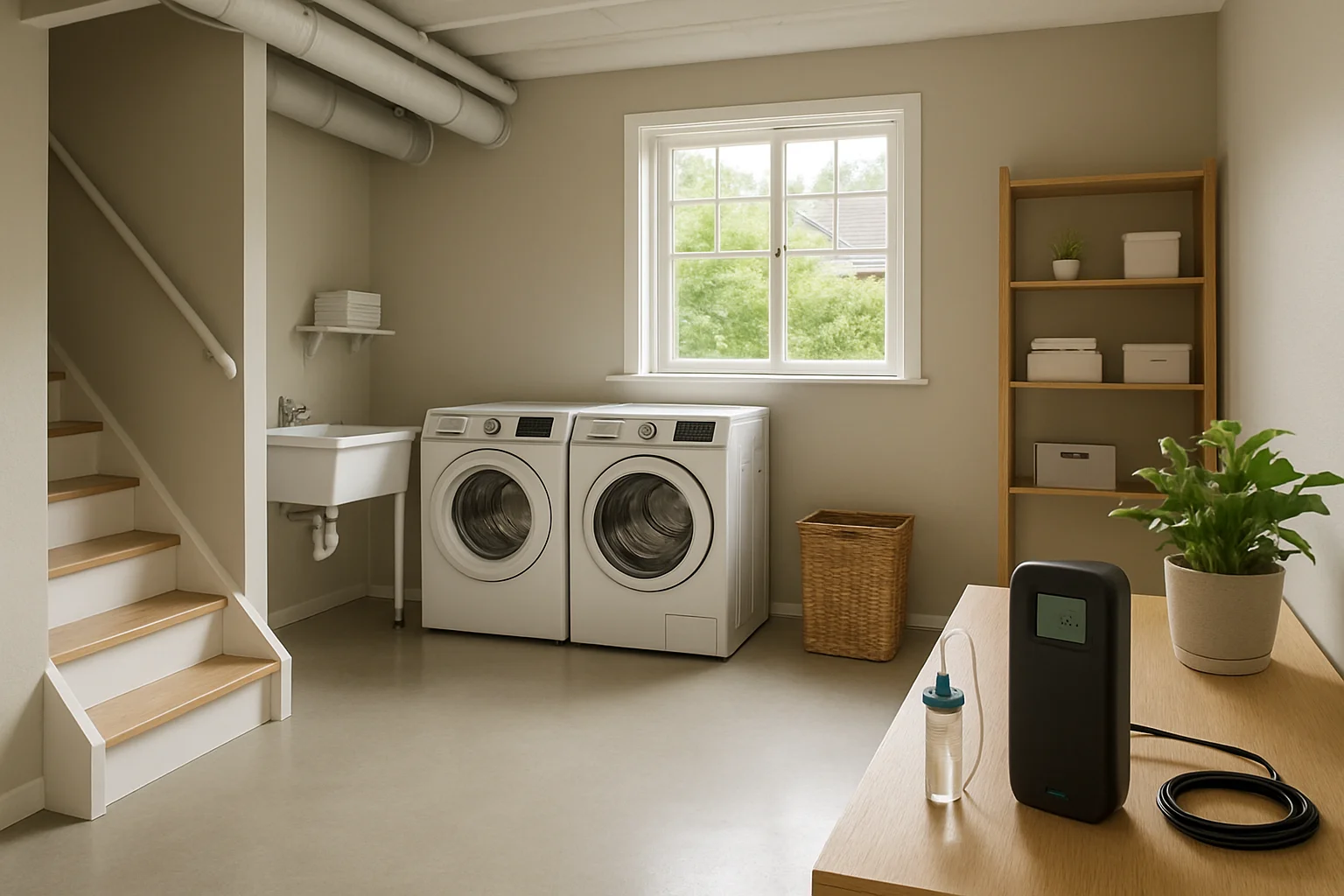
This article explains—without scare tactics—why a clean home can still have radon, what actually influences radon levels, what to expect from testing, and how to make testing part of smart homeownership or a smoother real estate transaction.
Curiosity check: If radon were visible, it would be easy. But it’s an invisible home fact—more like the temperature behind your walls than the mess on your counters. When you’re wondering about “clean home low radon,” the best next step isn’t guessing. It’s measuring.
Cleanliness and Indoor Safety: Where the Connection Is Real—and Where It Isn’t
Keeping a home clean and well maintained absolutely matters. It can reduce common indoor irritants, manage moisture, and improve day-to-day comfort. You can often see the payoff: fewer dust layers, fewer musty smells, cleaner vents, and better performance from HVAC filters.
Radon is different. It’s a naturally occurring gas that can enter buildings through contact with the ground. A home can be meticulously cared for and still have radon levels that vary by season, weather, and how the building “breathes.”
Things cleanliness can help with
- Odors and stale air (often tied to ventilation and cleaning routines)
- Dust and pet dander (surface cleaning, HEPA filtration, regular vacuuming)
- Humidity-related issues (dehumidification, bathroom exhaust use, maintenance)
- Visible mold growth in obvious areas (though hidden moisture still requires investigation)
Things cleanliness does not reliably predict
- Radon levels (because radon is not a “dirt” problem)
- Hidden air movement through foundation gaps, sump pits, or utility penetrations
- Soil gas entry patterns beneath the home
- Daily and seasonal radon fluctuations
In short: a clean home is a great sign of pride of ownership. It’s just not a radon indicator.
What Radon Actually Is (and Why It’s Hard to “Sense”)
Radon is a gas produced naturally from the breakdown of uranium in soil and rock. Outdoors, it dissipates quickly. Indoors, it can accumulate—especially in lower levels—depending on the home’s foundation, air pressure differences, and pathways for soil gas entry.
Radon’s challenge is that it’s typically:
- Invisible (no haze, no visible residue)
- Odorless (no “radon smell”)
- Unrelated to how tidy a home is
This is why the “clean home low radon” assumption can feel intuitive yet still be incorrect. Many homeowners in Pennsylvania are surprised by test results precisely because the home looks and feels so well kept.
Why Pennsylvania Homes Can Have Radon—Even the Well-Kept Ones
Pennsylvania is known for areas where radon potential is significant, and that includes many communities across Montgomery County and Bucks County. That doesn’t mean every home has high radon, but it does mean testing is a practical homeowner habit—like checking smoke alarms or servicing a furnace.
Radon entry and indoor levels are influenced by variables that are mostly “behind the scenes,” such as:
1) Foundation type and condition
- Basements, crawl spaces, and slab-on-grade foundations all behave differently.
- Hairline cracks, control joints, and the cove joint (where slab meets wall) can be entry pathways.
2) Pressure differences (the home “stack effect”)
- Warm air rising and escaping through upper areas can draw air from below, including soil gas.
- Weather and temperature changes can shift how much radon enters.
3) Sump pits and drainage features
- Sump pits, perimeter drains, and exposed soil in crawl spaces can provide routes for radon entry.
- A tightly sealed, well-fitted sump cover can matter for airflow—but testing is still the way to confirm radon levels.
4) Ventilation and HVAC operation
- How often windows are opened, how HVAC cycles run, and how exhaust fans are used can all affect air exchange.
- More ventilation doesn’t always equal lower radon in a predictable way—results vary by home.
None of these conditions are “cleanliness issues.” They’re building science issues, which is exactly why measuring is more useful than guessing.
Common Misconceptions: “Our Home Is New / Renovated / Dry—So We’re Fine”
In neighborhoods throughout Lansdale, Hatfield, Souderton, North Wales, and Blue Bell, homeowners often share similar assumptions. Here’s a reality check—without alarm—so you can make decisions based on facts.
- “It’s a newer home, so radon won’t be an issue.”
Newer construction can be tighter, which may reduce natural air exchange. Some new homes test low; others don’t. Newness alone doesn’t determine radon. - “We renovated the basement, so it must be better.”
Finishing a basement can change airflow patterns and how the space is used, but it doesn’t automatically change radon entry from below. - “We don’t have a musty smell.”
Musty odors are often moisture-related; radon is odorless. Odor is not a radon indicator. - “We keep it clean, and the air feels fresh.”
Comfort and freshness matter, but radon levels can still be elevated without noticeable signs.
What Testing Does That Guessing Can’t
Testing turns curiosity into clarity. Instead of wondering whether a clean home means low radon, you can get an objective measurement and decide what—if anything—comes next.
At A1 House Prep, radon testing is designed to be straightforward and homeowner-friendly. If you’re a buyer, seller, or agent coordinating timelines, testing also helps reduce surprises during negotiations.
Learn more about A1’s service here: Radon Testing.
When Pennsylvania homeowners commonly choose to test
- Buying a home (especially with a basement or lower-level living area)
- Selling a home and wanting clear documentation upfront
- After renovations or HVAC changes
- When finishing a basement or converting space to a bedroom/office
- Periodically, as part of routine home maintenance
Why a single “clean” snapshot isn’t enough
Radon can fluctuate daily and seasonally. Weather fronts, closed-window seasons, and HVAC usage can influence results. Testing provides a data-backed snapshot under defined conditions—useful for making informed choices.
“If It’s Not Radon, What Else Could Be Affecting My Indoor Air?”
Sometimes “freshness” and “healthiness” are driven more by indoor air factors you can see or smell—dust, humidity, VOCs, pet dander, or lingering odors—than by radon. Homeowners often want a fuller picture, especially if they’re preparing for a new baby, hosting family, or simply investing in peace of mind.
If your curiosity goes beyond radon, A1 House Prep also offers:
- Air Quality Testing to evaluate common indoor air concerns in a practical, home-focused way
- Water Testing for homeowners on well water or anyone seeking baseline data and reassurance
- Water Heater Flushing as a maintenance step that can support performance and longevity
Real Estate Perspective: Helping Buyers and Sellers Stay Calm and Clear
In competitive markets across Montgomery and Bucks County, clarity is premium. For sellers, pre-listing testing can help reduce last-minute complications. For buyers, testing is a reasonable due-diligence step—especially if the home has a finished basement or lower-level living space.
For sellers
- Testing provides a fact-based answer to a common buyer question.
- It supports smoother disclosures and fewer “unknowns.”
- It can prevent delays when timelines are tight.
For buyers
- Testing gives you information about the home you’re considering—beyond surfaces and staging.
- It helps you prioritize next steps based on real numbers, not assumptions.
For agents
- A clear test result can reduce emotional swings during inspection periods.
- It helps keep decisions grounded in data rather than rumor or fear.
What About Odors? Where Ozone Fits (and Where It Doesn’t)
Radon has no smell, so odor control isn’t a radon strategy. However, homeowners preparing a property often want help with stubborn odors (smoke, pets, cooking, mustiness). For certain situations, Professional Ozone Machine Rentals can be a useful tool—but only when used correctly.
Important safety note: Ozone machines are for unoccupied spaces only. People and pets should not be present during treatment. Follow all provided instructions carefully, allow adequate time for the space to air out afterward, and use ozone as a targeted odor treatment—not a substitute for cleaning, fixing moisture issues, or testing for radon.
Think of it this way: ozone can help address certain odor scenarios when you’re prepping a home, while radon testing addresses an odorless, invisible measurement that requires its own process.
Practical Homeowner Checklist: “We Keep It Clean—Now What?”
If you’re proud of your home’s upkeep and simply want to confirm the invisible factors, here’s a practical, low-stress path:
- Decide what you want to know. Radon only? A broader indoor air snapshot? Water baseline?
- Schedule radon testing to replace assumptions with data: /radon-testing.
- Consider complementary testing if you have specific concerns (odors, humidity, recurring dust, or well water): Air Quality Testing and Water Testing.
- Use results as information, not drama. The goal is confident decision-making.
- Keep documentation for home records or real estate transactions.
Ready to Replace Guessing With Testing?
If you’re in Harleysville, Lansdale, Hatfield, Souderton, North Wales, Blue Bell—or anywhere in Montgomery or Bucks County—A1 House Prep can help you get clear, practical answers. A clean home is a great start. Testing helps confirm the invisible details.
Call A1 House Prep: 215.853.8226
Request service online: /request-service/
Learn about radon testing: /radon-testing
FAQ: Clean Home, Low Radon, and Testing in Pennsylvania
1) Does a clean, well-kept home automatically mean low radon?
No. Cleanliness and maintenance are excellent for comfort and general indoor conditions, but radon is an invisible gas that can be present regardless of how tidy or updated a home is. Testing is the reliable way to know.
2) If my basement looks dry and smells fine, can radon still be high?
Yes. Radon does not have a smell, and it doesn’t require moisture to be present. A dry, finished, great-smelling basement can still test elevated.
3) Should I test for radon when buying a home in Montgomery County or Bucks County?
Many buyers choose to test as part of due diligence because radon potential can vary home by home—even within the same neighborhood. Testing provides a fact-based result you can use in decision-making.
4) When is the best time of year to test?
Radon can be tested year-round. Results may vary by season due to how homes are ventilated and how weather affects airflow. If you’re testing for a real estate transaction, timing usually follows your inspection timeline.
5) Can air fresheners, cleaning, or purifiers lower radon?
These can improve perceived freshness and reduce certain airborne particles or odors, but they are not a dependable way to determine or control radon levels. Radon is best handled as a measurement question first: test, then decide next steps based on the result.
6) Is ozone treatment useful for radon?
No. Ozone machines are used for certain odor situations in unoccupied spaces only, following strict safe-use instructions. Radon is odorless and requires testing to assess.
7) I’m selling—should I test before listing?
Many sellers choose pre-listing testing to reduce unknowns and support a smoother transaction. It can help answer buyer questions with documentation rather than assumptions.
Bottom Line: A Clean Home Is Great—But Testing Is the Proof
If you’ve been searching “clean home low radon,” you’re already thinking like a careful homeowner. A clean, well-kept house is a strong sign of thoughtful maintenance. Radon, however, is one of those invisible home facts that doesn’t show up in your cleaning routine or your home’s curb appeal.
For homeowners and real estate professionals across Pennsylvania—especially in Montgomery County and Bucks County—the calm, practical approach is simple: test to know. When you’re ready, A1 House Prep is here to help you get clear answers and confident next steps.