
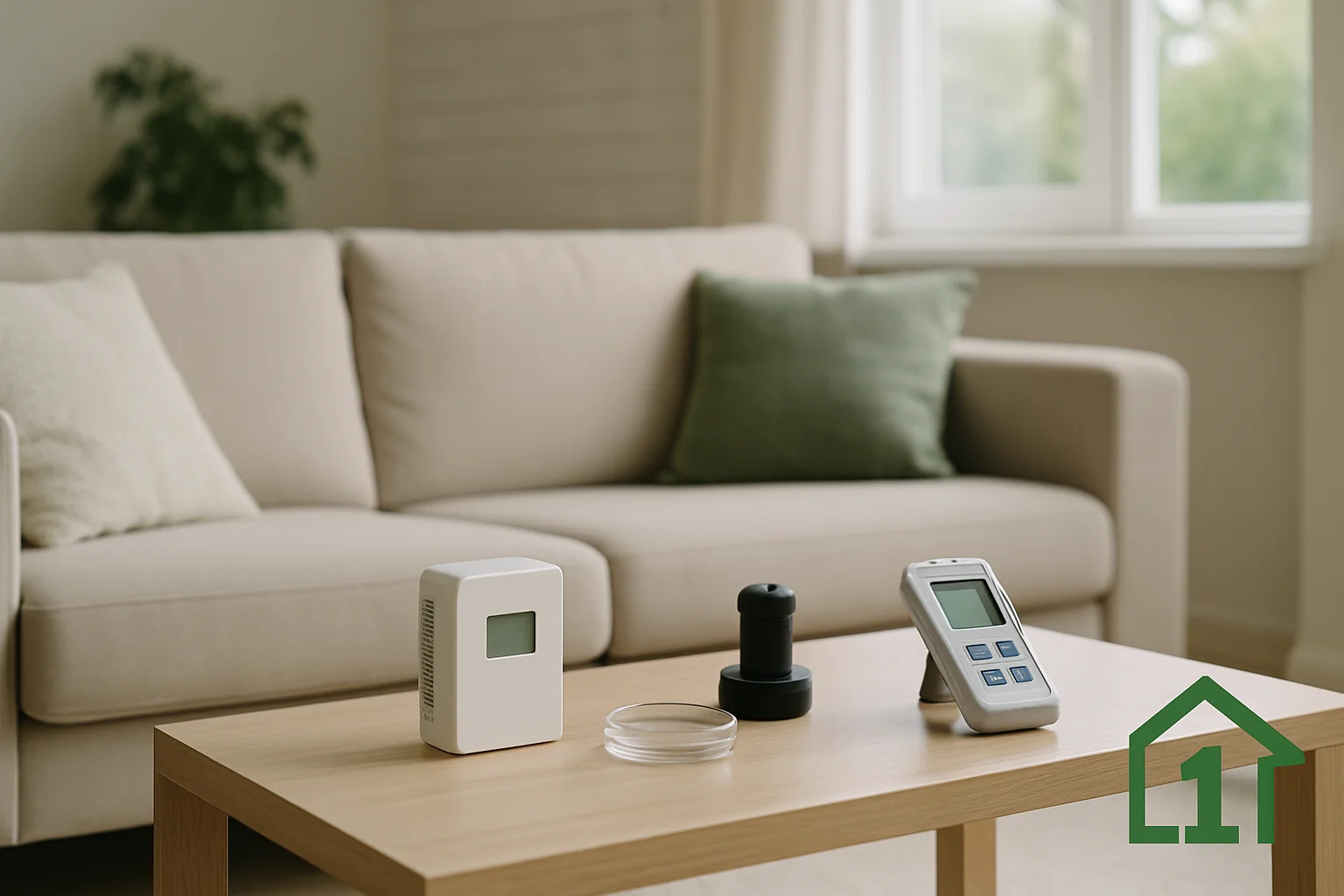
Could Your Favorite Room Have the Worst Air?
If you’re like most Pennsylvania homeowners, you have a “go-to” room—the cozy finished basement where everyone watches the game, the sunroom that feels like a mini getaway, or the primary bedroom you’ve carefully made restful and calm. These are the spaces we spend the most time in, the rooms we keep the most comfortable, and (often) the rooms we assume are the healthiest.
But here’s a truth that surprises a lot of homeowners: the room that feels best can sometimes test the worst. Not because anything is “wrong” with your home, and not because you should panic—indoor air quality is shaped by invisible factors like airflow, humidity, materials, occupant habits, and the way a home “breathes” through seasons in Montgomery County, Bucks County, and beyond.
This article is a calm, homeowner-focused guide to understanding favorite room worst air quality scenarios—why they happen, what to look for, and how professional air quality testing can replace guessing with real, actionable information. Whether you’re in Harleysville, Lansdale, Hatfield, Souderton, North Wales, or Blue Bell, the goal is simple: get clarity about what’s in the air where you live and gather.
Why the “Best” Room Can Have the Worst Air
Indoor air is a moving mix of outdoor air, indoor sources, and the way your home’s mechanical systems circulate (or fail to circulate) that mix. When a room becomes a favorite, it often also becomes:
- More occupied (more breathing, more activity, more everyday products in use)
- More furnished (more fabrics, foam, rugs, curtains that can hold dust)
- More sealed (for comfort and energy efficiency, sometimes reducing fresh-air exchange)
- More “managed” (air fresheners, candles, humidifiers, dehumidifiers, space heaters)
None of these are automatically bad. They’re just variables. And variables are why testing matters: the same home can have very different conditions from room to room—even on the same day.
Common Pennsylvania “Favorite Room” Culprits (Without the Scare Tactics)
Homes in our area range from older stone and brick houses to newer builds with tight envelopes and finished basements. Each style can create its own indoor-air quirks. Below are the most common patterns we see when one room consistently feels “off” or tests differently than the rest.
1) Finished Basements & Lower Levels
Basements often become favorite rooms because they’re quiet, cool, and perfect for family space or a home office. They can also be the most variable environment in the house.
- Humidity swings: Summer moisture and shoulder-season dampness can influence comfort and odor.
- Less natural ventilation: Small windows + closed doors can reduce fresh-air exchange.
- Stored items: Cardboard, fabrics, seasonal decorations, and old books can hold dust and odors.
If you spend significant time on a lower level, it’s also wise to consider radon testing, since radon is an invisible gas that can enter through foundation pathways. Testing provides facts—especially useful for homeowners planning renovations, buyers during due diligence, and sellers preparing for a smoother transaction.
2) Bedrooms (Especially the Primary Bedroom)
Bedrooms are often the “most protected” rooms—doors closed, windows shut, comfortable temperature, thick carpeting. Those same features can mean air stays in place longer.
- Closed-door sleeping: Reduced air mixing with the rest of the home.
- Soft goods: Pillows, comforters, rugs, upholstered headboards—great for comfort, but they can collect particulates.
- Fragrances: Plug-ins, sprays, scented laundry products can add airborne compounds that some people prefer to minimize.
A calm way to approach a bedroom concern is to test first, then decide what changes (if any) are worth making. Sometimes the answer is as simple as improving ventilation habits, adjusting filtration, or refining cleaning routines based on what the results show.
3) Kitchens & Eat-In Areas
Kitchens are the heart of the home. They’re also a place where everyday activities can influence air: cooking, cleaning, and fluctuating moisture.
- Cooking byproducts: Even normal cooking can increase particulates and odors, especially without consistent exhaust use.
- Moisture: Dishwashers, boiling water, and busy routines can elevate humidity.
- Cleaning products: Sprays and disinfectants can linger longer than you think.
If your kitchen is your favorite gathering spot, it’s worth ensuring ventilation is actually venting outdoors (not just recirculating) and that filters are maintained—then lean on testing if you want more certainty about what’s present over time.
4) Sunrooms, Additions, and Converted Spaces
Many homes in Montgomery and Bucks County have additions—sunrooms, bonus rooms, or enclosed porches that became year-round spaces. These can be wonderful, but they’re also notorious for uneven HVAC integration.
- Temperature and humidity differences: Can change how the room feels and smells across seasons.
- Different building materials: Older windows, varied insulation, and unique flooring can influence air behavior.
- Airflow dead zones: A room can look beautiful and still have poor circulation.
“It Smells Fine” Isn’t the Same as “It’s Fine”
Homeowners often judge air quality by odor. Odor matters—it’s a valid comfort issue—but it’s only one signal. Some concerns have a smell; others don’t. And the reverse is also true: a noticeable odor doesn’t automatically mean a dangerous condition.
That’s why an informational approach is so useful: test the air, learn what’s happening, and make measured decisions based on real data rather than assumptions.
The Premium Homeowner Mindset: Replace Guessing with Testing
Many indoor air questions sound like this: “Is it the basement?” “Is it the carpet?” “Is it the HVAC?” In reality, indoor air is influenced by several overlapping factors. Testing helps you stop chasing theories and start working with facts—especially when your favorite room is also the room you use the most.
If you’re in Harleysville, Lansdale, Hatfield, Souderton, North Wales, Blue Bell, or nearby areas of Montgomery and Bucks County, A1 House Prep’s Air Quality Testing can help you understand what’s happening in the spaces that matter most.
Signs Your Favorite Room Deserves a Closer Look
You don’t need a dramatic problem to justify testing. Often, homeowners and real estate professionals simply want clarity. Here are practical reasons your favorite room may be worth evaluating:
- Comfort differences: The room feels stuffy, heavy, or “stale” compared to the rest of the home.
- Persistent odor: Musty, smoky, pet, or “old house” smells that keep returning.
- Visible dust build-up: You clean, but dust quickly returns—especially around vents or on shelves.
- Seasonal changes: The room is fine in winter but questionable in summer (or vice versa).
- Recent changes: New flooring, paint, furniture, or a renovation that changed ventilation patterns.
- Preparing for a sale: You want a stronger listing story and fewer surprises after inspection.
- Buying a home: You want more confidence about the indoor environment before closing.
What Air Quality Testing Can Help You Understand
Air quality is not one single number. It’s a set of conditions and potential contributors. Professional testing is valuable because it can help identify patterns and likely sources, allowing you to make smart, proportionate next steps.
Depending on the situation, homeowners may also want to look beyond air alone:
- Water-related concerns: If humidity or dampness is part of the story, it can be helpful to evaluate the home’s broader environment—including plumbing and moisture sources. (For drinking water confidence, see Water Testing.)
- Home comfort systems: HVAC filtration and airflow balance can influence how air behaves room-to-room.
- Basement and foundation considerations: Particularly for lower levels and slab areas—where radon testing can provide important context.
The point isn’t to “find something scary.” The point is to learn what’s true in your home, in your favorite room, under real living conditions.
Curiosity Checklist: Why That Room, Specifically?
If you’re trying to understand why one space seems different, run through this practical checklist. It’s designed for homeowners in real homes—townhomes, colonials, capes, split-levels, and everything in between.
- Door habits: Is the door usually closed? (Bedrooms, offices, nurseries.)
- Supply and return vents: Is there adequate return airflow, or is air getting “trapped”?
- Furniture layout: Are vents blocked by a sofa, bed, or curtains?
- Moisture sources: Humidifier, fish tank, plants, damp towels, adjacent bathroom.
- Stored materials: Closets packed tightly, boxes under beds, storage bins in corners.
- Combustion and cooking proximity: A nearby kitchen or fireplace changes the air dynamics.
- Recent upgrades: New carpet, paint, or pressed-wood furniture can temporarily change odor and comfort.
If you identify two or three items that clearly apply, that’s a good reason to consider testing—because you’re no longer dealing with a vague feeling. You’re dealing with specific conditions that can be measured and improved thoughtfully.
Odor Situations: When Ozone Rental Makes Sense (and When It Doesn’t)
Sometimes the issue is straightforward: a persistent odor in a favorite room—pet odor, smoke residue, cooking smells, or “closed-up” air in an unoccupied space. In these cases, professional-grade ozone can be an option for odor treatment, especially during turnovers (selling a home, post-tenant, post-event) or after a one-time incident.
Important: Ozone treatment is for unoccupied spaces only and must be used with careful, responsible procedures. It is not something to run while people or pets are present, and it’s not a substitute for addressing underlying moisture or source issues.
- Use ozone only in empty areas—no people, no pets, no plants.
- Follow rental instructions closely for run time, placement, and re-entry timing.
- Ventilate thoroughly afterward before normal use.
- Consider combining odor treatment with air quality testing when you want to understand whether there’s more than just odor involved.
If you’re exploring this route, A1 House Prep offers Professional Ozone Machine Rentals with guidance so homeowners and property professionals can use equipment appropriately and responsibly.
For Buyers, Sellers, and Real Estate Professionals: Why This Question Matters
In real estate, “favorite rooms” sell homes. Finished basements, bright family rooms, and primary suites often drive emotional connection during showings. Those same spaces can also trigger questions during inspection negotiations if comfort or odor comes up.
- Sellers: Testing can help you address concerns proactively and reduce last-minute uncertainty.
- Buyers: Testing can add confidence beyond a quick walkthrough—especially if you’re sensitive to odors or planning to use a basement as living space.
- Agents: A calm, factual approach supports smoother conversations and helps keep deals on track.
In short: testing supports clarity. Clarity supports better decisions.
Ready to Stop Wondering and Start Knowing?
If you’ve been asking yourself whether your favorite room has the worst air quality, the most practical next step is simple: test. A1 House Prep provides homeowner-focused support across Pennsylvania, including Montgomery County and Bucks County communities like Harleysville, Lansdale, Hatfield, Souderton, North Wales, and Blue Bell.
Prefer to talk it through? Call A1 House Prep at 215.853.8226.
Practical Next Steps You Can Take Today (Before Any Testing)
If you want to do a few sensible, low-effort checks while you decide on testing, start here:
- Confirm ventilation basics: Run kitchen and bath exhaust when needed; verify they vent outdoors if you’re unsure.
- Check HVAC filter condition: Replace on schedule and use a filter rating appropriate for your system.
- Open up airflow: Make sure supply vents aren’t blocked; consider keeping interior doors open at times to mix air.
- Manage moisture thoughtfully: Use dehumidification where appropriate; address obvious damp spots promptly.
- Reduce “bonus” fragrances: If you’re troubleshooting, pause air fresheners and scented products for a week and observe changes.
These steps are not a diagnostic. They’re a way to reduce variables—so if you choose to test, you’ll get clearer insights tied to your home’s normal conditions.
FAQ: Favorite Rooms and Indoor Air Quality
1) Why would one room have worse air than the rest of the house?
Rooms can differ in airflow, humidity, occupant activity, furnishings, and how well they connect to HVAC supply and return pathways. A closed-door bedroom or a finished basement may exchange air more slowly, allowing certain conditions to build up compared to open, high-traffic areas.
2) Is a musty smell always a sign of a serious problem?
Not always. Musty odors often point to moisture and materials holding odor (carpet, stored fabrics, or porous items), but odor alone can’t confirm cause or significance. If the smell persists or returns, testing and a measured evaluation are a smart way to move from suspicion to clarity.
3) Should I test air quality before selling my home?
Many sellers choose testing when they want stronger confidence—especially if a basement, addition, or long-closed room is a major selling point. It can help you address questions early and reduce surprises during buyer inspections.
4) What if the room feels fine—should I still consider testing?
If you’re simply curious, recently renovated, or planning to use a space more heavily (like converting a basement into a primary living area), testing can provide useful baseline information. It’s a practical way to make decisions based on data rather than assumptions.
5) How does radon relate to a “favorite room” problem?
Radon is invisible and can vary by home and season. If your favorite room is on a lower level, or if you spend significant time in a basement family room or office, radon testing can be a smart part of understanding the space.
6) Are ozone machines safe to use for odors?
Ozone machines are intended for odor treatment in unoccupied spaces only. People, pets, and plants should not be present during treatment, and the space should be ventilated before re-entry. If you’re considering this option, review A1’s ozone machine rental guidance and follow instructions carefully.
7) What’s the best first step if I’m concerned about indoor air in my home?
Start with basic airflow and moisture checks, then consider professional air quality testing to replace guesswork with measurable information. If you’re ready to schedule, you can request service here or call 215.853.8226.
A Calm Takeaway
Your favorite room became your favorite for a reason—it’s where life happens. If you’ve ever wondered whether that comfort is hiding less-than-ideal air, you don’t need to jump to conclusions. You just need better information.
A1 House Prep helps Pennsylvania homeowners, buyers, sellers, and real estate professionals get that clarity through practical, local testing services—including Air Quality Testing, Radon Testing, and Water Testing. When you’re ready, request service or call 215.853.8226.