Can a Home Smell Clean But Still Have Indoor Air Concerns?
A home that smells “clean” feels reassuring. Maybe you’ve just finished tidying, lit a mild candle, or the house simply has that crisp, low-odor freshness buyers love. But here’s a curiosity worth leaning into: home smells clean indoor air quality are not the same thing. Smell is one clue—sometimes a helpful one—but indoor air is a mix of invisible conditions that your nose can’t reliably interpret.
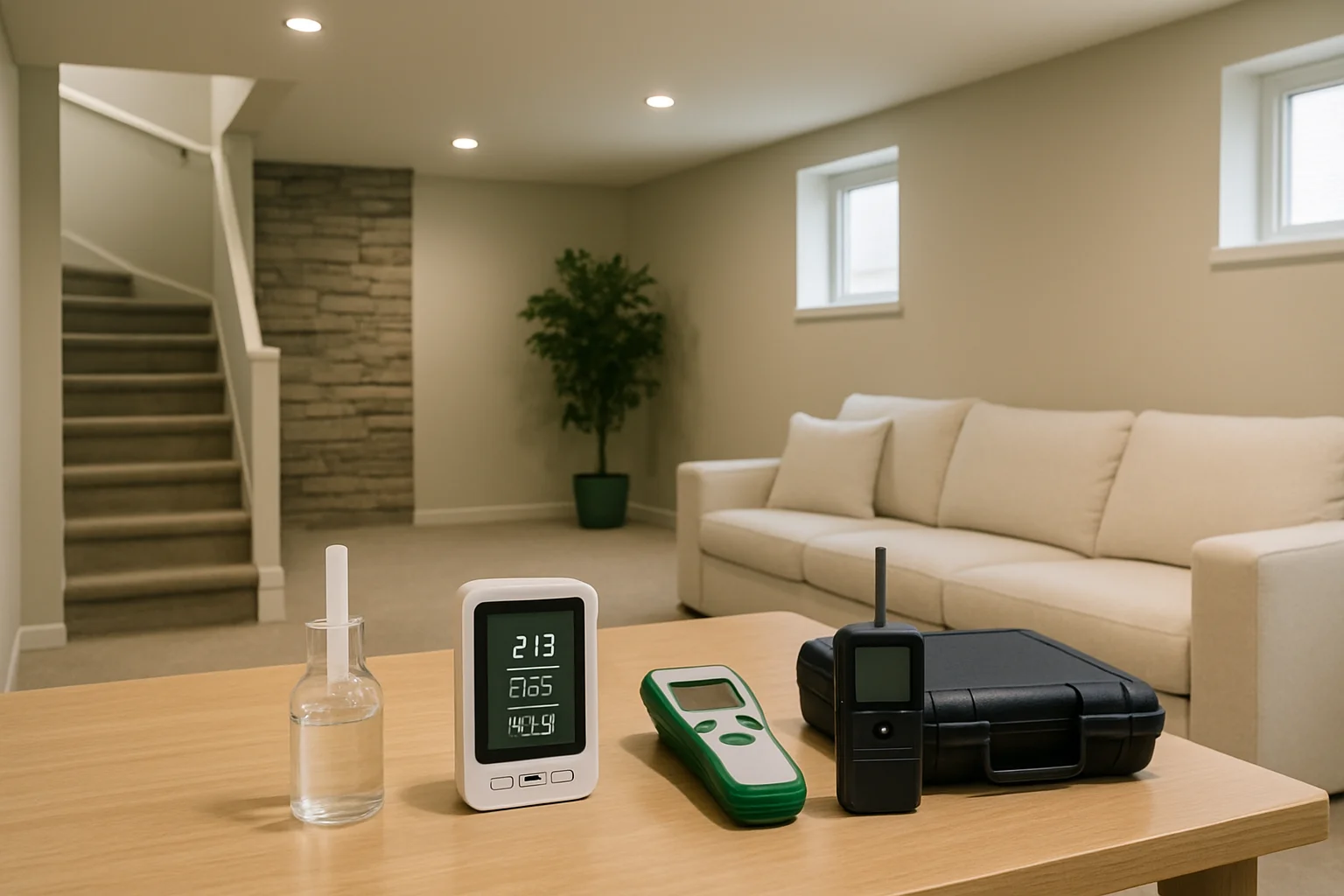
For homeowners across Pennsylvania—especially in Montgomery County and Bucks County, including Harleysville, Lansdale, Hatfield, Souderton, North Wales, and Blue Bell—the most practical approach is simple: test what you can’t see, then decide what to do with real information. That’s exactly where A1 House Prep helps. We provide professional Air Quality Testing so you can replace guesswork with clear, homeowner-friendly results.
This article explains why a “clean-smelling” house can still have indoor air concerns, what those concerns often are, and how to approach testing in a calm, practical way—whether you’re living in the home, preparing to sell, buying, or supporting a real estate transaction.
A1 Curiosity Tip: Your nose is a “spot-check tool,” not a measurement tool. Many common indoor air factors don’t produce a noticeable odor—especially at lower levels—so a clean smell can coexist with conditions worth understanding. Testing isn’t about panic; it’s about clarity.
Why “Clean-Smelling” Doesn’t Always Equal “Clean Air”
Smell is subjective. It changes with humidity, temperature, airflow, and even the time of day. More importantly, many indoor air concerns are:
- Odorless (no smell to warn you)
- Intermittent (present only under certain conditions)
- Hidden (inside walls, ducts, crawlspaces, or attics)
- Masked (covered by fragrances or “fresh” cleaning products)
In practical terms, it’s entirely possible to walk into a home that smells fresh and still have questions about ventilation, moisture patterns, combustion byproducts, or lingering contaminants from past events.
Common Indoor Air Concerns That Often Have Little to No Odor
1) Radon (Typically Odorless)
Radon is one of the most well-known examples of an invisible home fact. It’s naturally occurring and can vary home-to-home—even on the same street. You can’t reliably detect it by smell. If you’re curious about your home’s levels, professional testing is the right next step. A1 House Prep offers Radon Testing as a straightforward, information-driven service.
2) Carbon Monoxide (Odorless—Requires Dedicated Alarms)
Carbon monoxide is not an “air quality test by smell” situation. Homeowners should use properly placed, functioning CO alarms and keep fuel-burning appliances maintained. While this article is focused on general indoor air curiosity and testing, it’s worth noting: odor is not a dependable signal for combustion-related concerns.
3) Particulate Matter (Dust, Soot, and Fine Particles)
Fine particles can be present even when a home looks spotless and smells fresh. Sources can include outdoor infiltration, fireplace use, cooking, candles, hobby materials, or older ductwork. You may see less dust on surfaces but still have particles circulating—especially if filtration and airflow aren’t optimized.
4) Humidity Imbalances (Not Always Musty)
Excess humidity can sometimes create a musty odor, but not always. In some Pennsylvania homes—particularly those with basements—humidity issues show up as subtle condensation patterns, minor staining, or seasonal changes rather than a strong smell. Too-dry air can also be a comfort issue, especially in winter, without producing any distinct odor.
5) VOCs (Volatile Organic Compounds) from “Clean” Products
That “just cleaned” smell may come from fragranced cleaners, air fresheners, or scented candles. Many emit VOCs, which can contribute to indoor air complexity. This doesn’t mean you must avoid them entirely—it means it’s helpful to understand that pleasant scent isn’t proof of low emissions.
6) Mold Conditions That Are Hidden or Early-Stage
Not all mold-related conditions produce a noticeable musty odor, especially if the affected area is small, sealed behind materials, or located in a low-airflow space (behind a finished basement wall, under a sink cabinet, or in an attic corner). Testing and inspection strategies are about gathering clues responsibly—not jumping to conclusions.
When a Clean Smell Can Actually Hide the Clue
Sometimes “clean” is created intentionally, especially during listing prep. There’s nothing wrong with wanting a home to feel fresh; buyers respond to it. But it can also make it harder to notice underlying patterns, such as:
- Fragrance layering that covers a mild basement odor
- Heavy cleaning immediately before showings that temporarily changes perceived air
- HVAC fan settings that redistribute scented air but don’t necessarily improve ventilation
- Open windows during walkthroughs that make a home feel “perfect” for 15 minutes
A good test plan isn’t about challenging anyone’s intentions. It’s about ensuring buyers, sellers, and homeowners have a shared set of facts—especially when the house is otherwise beautiful and well-maintained.
How Pennsylvania Homes Can Have Unique Indoor Air “Personalities”
Local housing styles and weather patterns matter. In Montgomery County and Bucks County, it’s common to see homes with basements, mixed building eras, and seasonal humidity swings. That combination can influence indoor air in ways that aren’t obvious from smell alone.
In towns like Lansdale, Hatfield, Souderton, North Wales, Blue Bell, and Harleysville, homeowners often notice patterns like:
- Basement air vs. upstairs air (especially in summer)
- Closed-up winter homes that feel “stale” without smelling bad
- Renovation aftereffects (new paint, flooring, adhesives, cabinetry)
- Older homes with updated HVAC that changed airflow pathways
These aren’t red flags on their own. They’re simply reasons to treat indoor air as a measurable home system—like water pressure or electrical load—rather than a scent-based impression.
Testing Replaces Guessing: A Practical Approach for Homeowners
If your goal is confidence—not anxiety—use a simple framework:
Step 1: Identify your “why”
- Buying a home and want baseline information
- Selling and want smoother negotiations
- Noticing recurring condensation or seasonal mustiness
- Recent renovation or new furnishings
- General curiosity about your home’s unseen conditions
Step 2: Choose targeted testing instead of broad assumptions
Indoor air questions can overlap, so it helps to test strategically. A1 House Prep’s Air Quality Testing is designed to provide clear, actionable data aligned with your situation and the home’s layout.
Step 3: Pair air knowledge with related home systems
Air doesn’t exist in isolation. For many homes, indoor air quality is connected to moisture management, ventilation habits, and even water system maintenance. If you’re building a comprehensive home “baseline,” you may also consider Water Testing.
What About Odors? When Smell Still Matters
Odors can be valuable clues, especially when they’re persistent, localized, or seasonal. Here are common odor categories and what they can suggest (without jumping to worst-case conclusions):
- Musty or earthy: often associated with humidity patterns, basement airflow, or stored materials
- Sharp “chemical”: may relate to new materials, paints, adhesives, or strong cleaners
- Smoke or stale cooking: can embed in soft materials and sometimes reappear with humidity
- Pet odors: may linger in carpets, subflooring, or HVAC returns even after cleaning
Odor is also one of the main reasons homeowners consider professional deodorization tools. If you’re exploring that path, it’s important to use the right tool the right way.
Ozone Machines: Helpful for Odor Treatment—With Strict Safety Use
Ozone can be used for odor treatment in certain scenarios, but it must be handled responsibly. A1 House Prep offers Professional Ozone Machine Rentals for appropriate odor-treatment applications, with guidance for safer use.
Key homeowner rules for ozone use:
- Unoccupied spaces only: people and pets must be out during treatment.
- Remove or protect sensitive items: follow rental guidance for plants, rubber materials, and certain electronics or artwork.
- Allow proper airing-out time: after treatment, ventilate thoroughly before re-entry.
- Use ozone for odor treatment, not as a substitute for testing: ozone addresses smell; it doesn’t “measure” indoor conditions.
If you’re unsure whether an ozone treatment is appropriate, consider starting with information: an odor can be a symptom, and testing can help you decide whether you’re dealing with a temporary nuisance or an underlying condition worth addressing.
For Buyers and Sellers: Clean Smell Is Great—But Documentation Is Better
In real estate, “it smells fresh” is a nice first impression. But clean air confidence often comes from documentation, especially when timelines are tight and negotiations depend on clarity.
For sellers
- Testing can help reduce uncertainty and keep conversations fact-based.
- It supports a premium listing presentation: clean, well-prepared, and transparent.
- It can prevent last-minute surprises that slow down closing.
For buyers
- Testing can provide a baseline understanding of what you’re moving into.
- It helps you prioritize improvements over time based on real measurements.
- It supports confident decision-making without relying on “seems fine.”
For agents and real estate professionals
- A calm, professional testing process can keep transactions moving.
- It reduces emotional speculation and centers the conversation on measurable results.
- It helps clients feel taken care of—especially first-time buyers.
Signs You Might Consider Air Quality Testing (Even If It Smells Fine)
- You’ve done renovations in the last 6–12 months (paint, flooring, cabinetry).
- The home has a basement or crawlspace and seasonal humidity swings.
- You notice recurring dust accumulation despite regular cleaning.
- Rooms feel stuffy or stagnant when doors are closed.
- You’re buying or selling and want fewer unknowns.
- There was a prior odor event (smoke, pet, water incident) that you believe is “handled” but want to verify overall conditions.
How to Keep a “Clean-Smelling” Home Truly Fresh (Without Overdoing Fragrance)
These simple habits can support day-to-day freshness while you decide whether testing makes sense:
- Ventilate smartly: use bath and kitchen exhaust fans; consider short, strategic window opening when outdoor conditions are favorable.
- Maintain HVAC filters: replace on schedule and use a filter appropriate for your system.
- Manage moisture: keep an eye on basement humidity; use dehumidification when needed.
- Clean source areas: vacuum with good filtration and address dusty returns, not just visible surfaces.
- Go lighter on masking scents: a subtle scent is fine; avoid relying on it as the “solution.”
These steps can improve comfort. Testing adds the missing piece: understanding the invisible factors that smell can’t confirm.
Ready to Replace Guessing with Clear Indoor Air Facts?
If you’re in Montgomery County, Bucks County, or nearby communities like Harleysville, Lansdale, Hatfield, Souderton, North Wales, or Blue Bell, A1 House Prep provides professional, homeowner-focused Air Quality Testing. We’ll help you understand what’s happening in your home—calmly, clearly, and without scare tactics.
Call: 215.853.8226 or Request Service
FAQs: Clean Smell vs. Indoor Air Quality
1) Can a home smell clean but still have indoor air quality concerns?
Yes. Smell is only one signal, and many common indoor air factors are odorless or intermittent. That’s why homeowners who want confidence often choose testing—especially in homes with basements, recent renovations, or seasonal humidity changes.
2) What does “home smells clean indoor air quality” really mean?
It’s a common assumption that a fresh-smelling house must have great air. In reality, clean odor can come from cleaning products or good ventilation on a particular day. Indoor air quality is better understood through measurement and observation over time.
3) Should I test indoor air before selling my home in Pennsylvania?
Many sellers choose testing to reduce uncertainty and support smoother negotiations. It’s not about expecting a problem—it’s about having clear information available when questions come up during the transaction.
4) How does air quality testing help a homebuyer?
Testing gives buyers baseline information so they can make decisions based on facts rather than impressions from a short walkthrough. It can also help prioritize future improvements without guessing.
5) Are air fresheners and candles “bad,” or just something to use carefully?
They can be fine to use in moderation, but they may also mask underlying odors and add additional compounds to the indoor air. If you’re using scent to solve a persistent smell, it may be worth investigating the source—or testing to better understand overall conditions.
6) Is an ozone machine a good way to “clean the air” in my house?
Ozone machines are primarily used for odor treatment in specific situations, and they should be used only in unoccupied spaces with appropriate airing-out afterward. They are not a substitute for understanding indoor air conditions through professional testing.
7) What other A1 House Prep services pair well with air testing for a full home baseline?
Depending on your goals, homeowners often combine air insights with Radon Testing and Water Testing.
A Calm Bottom Line
A clean-smelling home is a wonderful start. But if you’re curious about what you can’t see—especially in a Pennsylvania home with seasonal swings and varied construction styles—testing is a practical way to turn “I think it’s fine” into “I know what’s going on.” When you’re ready, A1 House Prep is here to help with clear, local, homeowner-focused Air Quality Testing.
Call A1 House Prep: 215.853.8226 | Request Service