Your Home May Look Fine, But What Does It Test Like?
Fresh paint. Clean floors. A quiet neighborhood in Montgomery County or Bucks County. On the surface, a home can look perfectly “fine.” But a home’s most important story often isn’t visible—because many of the factors that affect comfort, maintenance planning, and buyer confidence are measurable, not obvious.
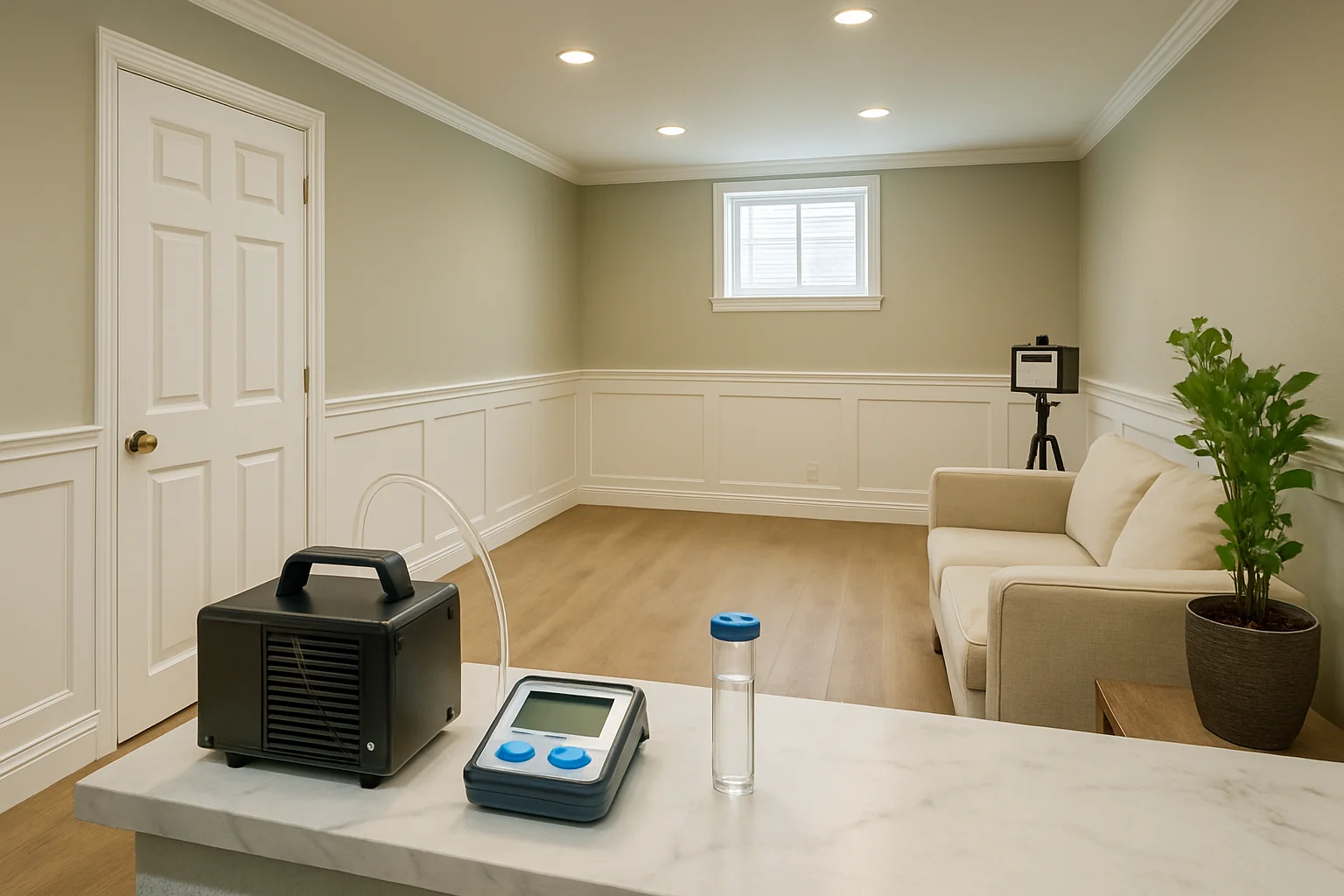
That’s the curiosity worth leaning into: home may look fine but what does it test like? Not as a scare tactic, but as a practical mindset. Testing replaces guessing—especially in Pennsylvania, where basements, seasonal humidity, private wells, older housing stock, and varied geology can all influence what’s happening behind the walls, under the slab, and inside the air you breathe.
At A1 House Prep, we help homeowners, buyers, sellers, and real estate professionals across Harleysville, Lansdale, Hatfield, Souderton, North Wales, Blue Bell, and surrounding communities make confident, informed decisions through straightforward home testing and property preparation services. If you’ve ever wondered what your home is “really like” beyond appearances, this guide is for you.
Why “Looks Fine” Isn’t the Same as “Tests Fine”
A well-kept home can still have invisible variables that affect how it lives day to day. That doesn’t mean something is “wrong”—it simply means that some home facts can’t be evaluated with a quick walk-through.
Testing is useful because it turns vague questions into clear information:
- Comfort questions (“Why does this room feel stuffy?”) become measurable data.
- Maintenance questions (“Is my water hard? Do I need flushing?”) become a plan.
- Transaction questions (“Should we test before listing?”) become a smoother process with fewer surprises.
- Odor questions (“Why does it smell musty after rain?”) become targeted next steps instead of guesswork.
In Pennsylvania, where many homes have basements and seasonal shifts can be dramatic, testing is a calm, practical way to understand your home’s baseline—especially if you’re planning renovations, buying or selling, or simply trying to live more comfortably.
Four “Invisible” Home Realities Worth Testing (Without the Drama)
1) Radon: It’s Not a Visual Issue
Radon is a naturally occurring gas that can enter a home through foundation openings and pathways in the lowest levels (basements, crawlspaces, slab-on-grade). The key point for homeowners: you can’t see or smell it. A home can look spotless and still be worth testing—especially in Pennsylvania, where radon testing is common during real estate transactions.
If you’re curious about where you stand, start with professional testing and clear reporting. Learn more here: Radon Testing.
2) Indoor Air: Comfort Clues You Can Measure
Indoor air concerns aren’t always obvious. People often describe them as “something feels off”:
- Stale or persistent odors
- Rooms that feel humid or clammy
- Dust that returns quickly
- Basement “mustiness” that comes and goes
- Lingering smells after painting, pets, or cooking
Air quality testing can help you move from assumptions to information, so you can prioritize next steps appropriately—whether that’s ventilation improvements, humidity management, or confirming what’s present (and what isn’t). Explore: Air Quality Testing.
3) Water: Taste and Clarity Aren’t the Whole Story
Water can look clear and taste “fine” while still varying in mineral content or other characteristics that matter for appliances, plumbing, and daily use. Water testing is especially relevant for homes on private wells, but municipal water users can also benefit from understanding baseline conditions—particularly if you’re noticing scaling, staining, or inconsistent taste.
If you’re buying, selling, or simply want clarity, consider: Water Testing.
4) Water Heater Performance: Quiet Problems Build Up Over Time
Water heaters can keep working “well enough” even as sediment accumulates inside the tank. Over time, buildup can affect efficiency, hot water consistency, and noise. Regular maintenance is a practical homeownership move—not a panic move.
If you want to stay ahead of maintenance, see: Water Heater Flushing.
A Pennsylvania Mindset: Basements, Seasons, and Local Living
Home testing isn’t one-size-fits-all. The “right” approach often depends on how your home is built and how you use it. Across Montgomery County and Bucks County—whether you’re in Blue Bell, North Wales, Harleysville, Lansdale, Hatfield, or Souderton—these patterns come up frequently:
- Basements and lower levels can collect moisture and odors, and they’re often where radon testing is most relevant.
- Seasonal humidity swings can shift how a home feels from winter to summer, especially in older construction.
- Renovations and finishing projects (basements, additions, new flooring) can change airflow and how odors travel.
- Well water in certain pockets can make water testing a smart baseline for planning equipment and maintenance.
Testing helps homeowners stop “reading tea leaves” and start making decisions with real data.
Curiosity Check: Quick Questions That Often Lead to the Right Test
- “We’re finishing the basement.” Consider radon testing and air quality testing before you invest.
- “The house smells fine… until it rains.” Consider air quality testing and targeted odor solutions for unoccupied areas.
- “We’re on a well and want peace of mind.” Start with water testing.
- “Our hot water doesn’t seem as consistent.” Look into water heater flushing.
- “We’re listing soon and want fewer surprises.” Pre-list testing can help you plan, disclose confidently, and avoid last-minute scrambling.
Odors and “That Smell”: When Ozone Rentals Make Sense (and When They Don’t)
Some household odors are simple: trash day, last night’s dinner, wet shoes by the door. Others cling to materials—smoke residue, pet odors, long-term mustiness in an empty basement room, or odor from a vacancy.
For certain odor situations, professional ozone machine rentals can be a practical tool when used correctly. Ozone is not a casual “plug it in and forget it” solution. It must be used with strict safe-use practices. A1 House Prep offers: Professional Ozone Machine Rentals.
Ozone Safe-Use Basics (Homeowner-Friendly)
- Unoccupied spaces only: People and pets must be out of the treated area during operation.
- Follow instructions precisely: Use the recommended run time for the space size and odor severity.
- Air out afterward: Allow time for ventilation before re-entry and normal use.
- Use it for odor treatment, not “air cleaning”: Ozone is an odor treatment method for specific situations, not a daily indoor air strategy.
- Protect sensitive items when needed: Some materials can be affected; plan the treatment thoughtfully.
If you’re preparing a property in Montgomery or Bucks County—especially a vacant home—ozone can be helpful as part of a broader, sensible preparation plan. If the space is actively occupied, talk through safer alternatives and timing.
When to Test: Practical Moments Homeowners Actually Use
You don’t need a crisis to justify testing. The most common “smart timing” moments are everyday life events:
- Before buying: Confirm baseline conditions during the inspection window.
- Before listing: Identify issues early so you can address them on your schedule.
- After major weather events: If you’ve had water intrusion or extended humidity, testing can help clarify what changed.
- Before finishing a basement: Validate conditions before you add drywall, flooring, and furniture.
- When something changes: New odors, new moisture patterns, or a new baby/pet (more time indoors) often prompts curiosity.
- As routine ownership: Water testing and water heater flushing can fit into a sensible maintenance rhythm.
The goal isn’t to “find problems.” It’s to understand your home well enough to manage it confidently.
What “Premium” Testing Support Should Feel Like
Home testing is about trust and clarity. Homeowners and agents in areas like Lansdale, Hatfield, and North Wales often want the same things:
- Clear communication: What’s being tested, how it’s performed, and what the results mean.
- Respect for the home: Clean, careful work and professional scheduling.
- Practical interpretation: Straightforward explanations and reasonable next steps (not alarmist language).
- Documentation: Results presented in a way that’s helpful for homeowners and real estate files.
A1 House Prep is built around that homeowner-first experience—calm, local, and practical.
To explore our full range of support, visit the homepage: A1 House Prep.
FAQs: Home Testing for Curious Pennsylvania Homeowners
1) What does “home may look fine but what does it test like” actually mean?
It’s a reminder that some important home factors aren’t visible—like radon levels, certain air quality indicators, or water characteristics. Testing helps you replace assumptions with measurable information, so decisions feel calmer and more confident.
2) Should I test if I’m not selling or buying?
Many homeowners test simply to establish a baseline, plan maintenance, or validate a renovation decision (like finishing a basement). It’s less about a transaction and more about understanding your property.
3) Is radon testing only for older homes?
Not necessarily. Radon potential is influenced by multiple factors, including geology and how a home interfaces with the ground. Newer homes can be worth testing, too—especially if there’s a basement or lower-level living space. If you want to learn more, see Radon Testing.
4) What if I’m noticing a musty smell—do I need air testing?
A musty odor can come from moisture, ventilation patterns, or materials holding odor. Air quality testing can help clarify what’s going on and guide practical next steps. Explore Air Quality Testing.
5) We’re on a private well. How often should we test our water?
Testing frequency can vary based on household needs and any changes you notice (taste, staining, plumbing scale). If you want a clear baseline or you’re in the middle of a purchase/sale, start with Water Testing and build a plan from there.
6) Are ozone machines safe to use in my home?
Ozone machines are intended for odor treatment in unoccupied spaces and require careful adherence to instructions, including proper ventilation afterward. They are not designed for use around people or pets during operation. If you’re considering one, review Professional Ozone Machine Rentals and follow all safe-use guidance.
7) Can A1 House Prep help me choose the right service for my situation?
Yes. If you’re in Montgomery County or Bucks County—Harleysville, Lansdale, Hatfield, Souderton, North Wales, Blue Bell, or nearby—A1 can help you identify the most practical testing or preparation service based on your goals, timeline, and property type.
Ready to Stop Guessing?
If your home looks fine but you’re curious what it tests like, A1 House Prep makes it simple to get clear answers—without pressure and without scare tactics. Serving homeowners and real estate professionals throughout Pennsylvania, including Montgomery County and Bucks County.
- Radon Testing
- Air Quality Testing
- Water Testing
- Water Heater Flushing
- Professional Ozone Machine Rentals
Call 215.853.8226 or request service online.